
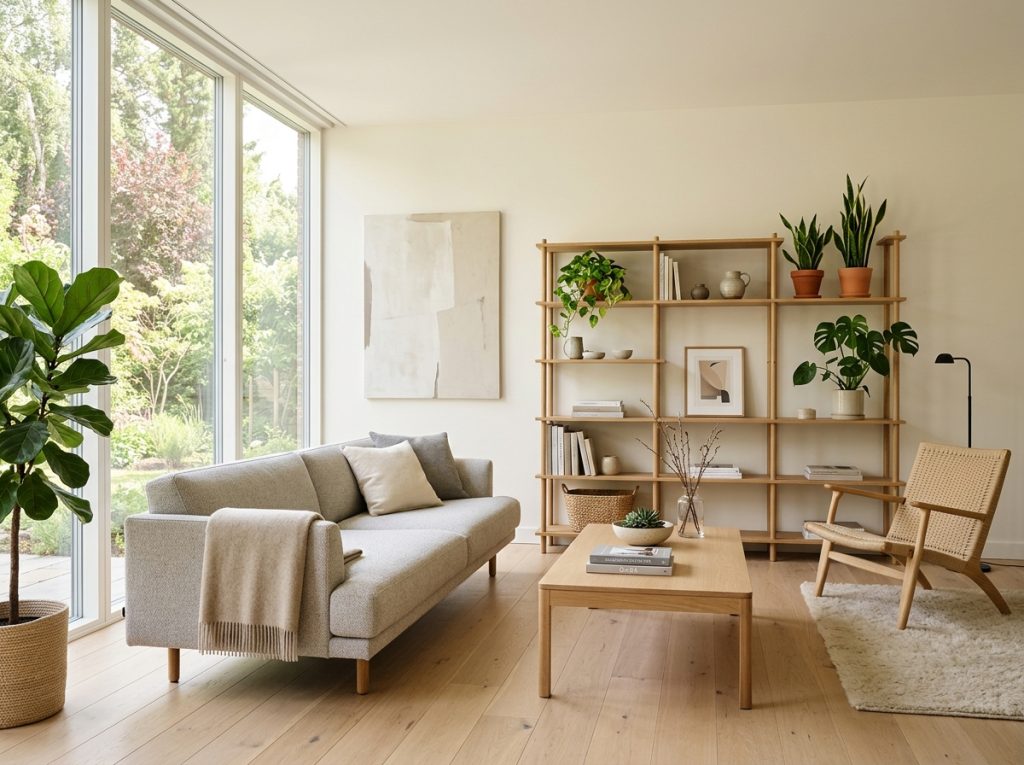
Minimalism has evolved from a design trend into a powerful lifestyle movement embraced by people seeking clarity, purpose, and freedom from unnecessary distractions. In today’s fast-paced world, many individuals find themselves overwhelmed by overflowing closets, endless digital notifications, financial stress, and packed schedules that leave little room for meaningful experiences.
A minimalist lifestyle offers an alternative approach. Rather than focusing on deprivation or strict rules, modern minimalism encourages intentional living. It asks a simple but profound question: Does this add value to my life?
At Retro Living Today, we’ve observed how people from all walks of life are adopting minimalist principles to reduce stress, improve financial well-being, create more organized homes, and gain greater control over their time and attention. Minimalism isn’t about owning the fewest possessions possible—it’s about making conscious decisions about what deserves your energy.
This minimalist lifestyle guide explores practical strategies, real-world applications, and sustainable habits that can help you simplify your life without sacrificing comfort or happiness. Whether you’re completely new to minimalism or looking to refine your existing approach, this guide provides actionable insights you can implement immediately.
The goal isn’t perfection. It’s progress toward a life that’s more intentional, focused, and aligned with your personal values.
What Is a Minimalist Lifestyle?
A minimalist lifestyle centers around intentionally removing excess so you can focus on what truly matters.
Many people mistakenly believe minimalism means living in an empty house with only a few belongings. In reality, minimalism looks different for everyone. A family of five practicing minimalism will naturally own more possessions than a single individual living in a small apartment.
The core principle remains the same: intentionally choosing quality over quantity.
Minimalists often prioritize:
- Meaningful experiences over material possessions
- Purposeful spending over impulse buying
- Quality items over excess ownership
- Mental clarity over constant stimulation
- Personal values over societal expectations
Rather than following rigid rules, minimalist living encourages thoughtful decision-making about possessions, commitments, finances, technology, and daily habits.
Signs You Might Benefit from Minimalism
You may benefit from adopting minimalist habits if:
- Your home feels cluttered and overwhelming
- You frequently buy things you don’t use
- You feel stressed by excessive responsibilities
- Digital distractions consume significant time
- Financial goals seem difficult to achieve
- You struggle to focus on priorities
- You want a more intentional lifestyle
Minimalism provides a framework for addressing these common challenges.
Benefits of Living a Minimalist Lifestyle
One reason minimalism continues to grow in popularity is its wide range of practical benefits.
Reduced Stress and Mental Clarity
Clutter isn’t just physical—it often contributes to mental overload.
Research in environmental psychology suggests that cluttered environments can increase feelings of stress and reduce focus. Simplifying your surroundings often creates a calmer and more productive atmosphere.
When your environment becomes easier to manage, your mind frequently follows.
Improved Financial Health
Many people discover unexpected financial benefits through minimalism.
By becoming more intentional about purchases, individuals often:
- Reduce impulse spending
- Save more consistently
- Eliminate unnecessary subscriptions
- Avoid accumulating debt
- Invest in higher-quality products
Living with less can create significant opportunities for long-term financial freedom.
More Time for Meaningful Activities
Every possession requires attention.
Items must be cleaned, maintained, stored, organized, repaired, and eventually replaced.
Owning fewer unnecessary possessions often frees up time for:
- Family activities
- Hobbies
- Travel
- Personal growth
- Community involvement
- Health and wellness
Better Focus and Productivity
A minimalist environment can help reduce distractions.
Many professionals embrace minimalist workspace setups because streamlined environments often encourage concentration and efficiency.
Environmental Benefits
Minimalism naturally supports sustainability by encouraging:
- Reduced consumption
- Lower waste production
- Longer product lifespans
- Thoughtful purchasing decisions
- Responsible disposal practices
Living sustainably with less benefits both individuals and the environment.

How to Start a Minimalist Lifestyle
Beginning your minimalist journey doesn’t require dramatic changes.
In fact, gradual progress tends to be more sustainable.
Start with Your Why
Before decluttering anything, identify your motivation.
Common reasons include:
- Reducing stress
- Saving money
- Improving organization
- Creating more free time
- Supporting sustainability
- Focusing on personal goals
Your reason becomes your guide when making future decisions.
Begin Small
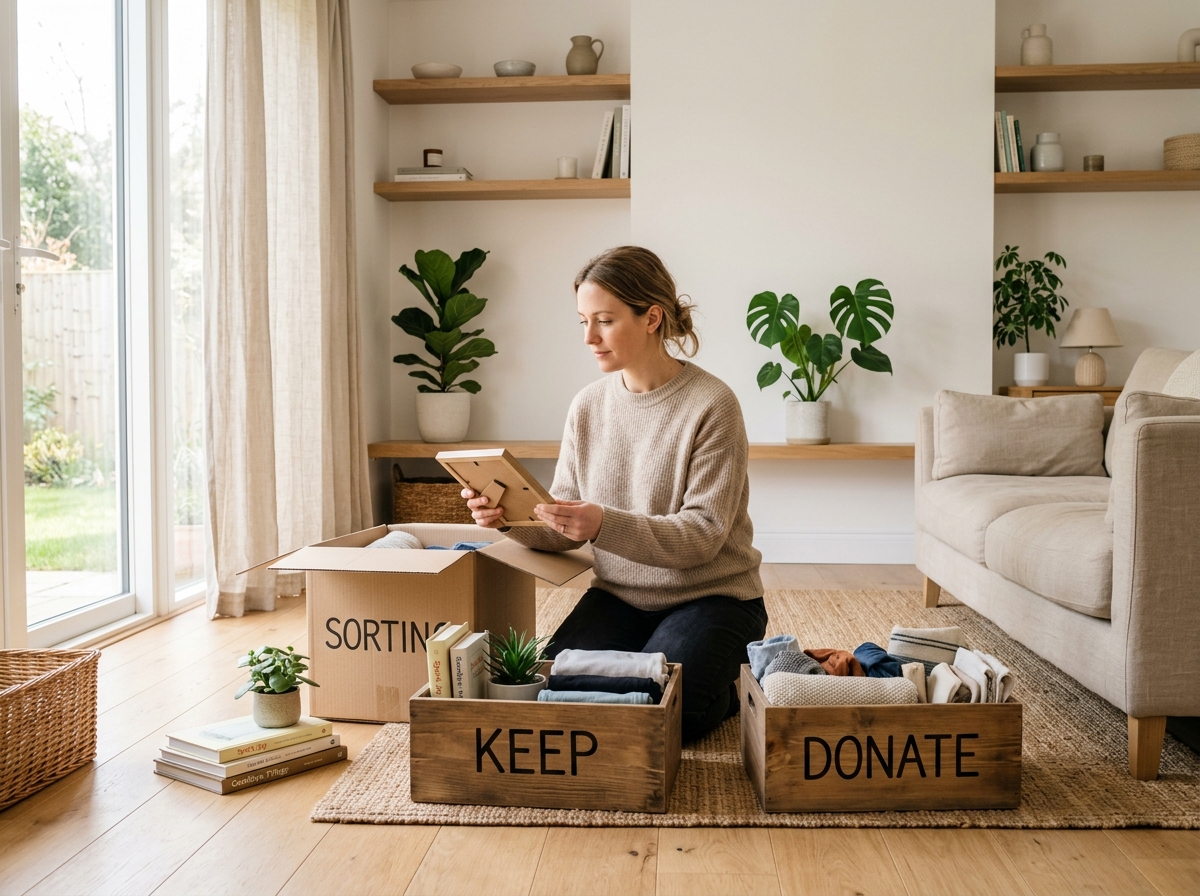
Avoid trying to declutter your entire home in one weekend.
Instead, start with:
- A single drawer
- Bathroom cabinet
- Kitchen shelf
- Closet section
- Digital inbox
Small victories build momentum.
Use the Value Test
Ask yourself:
- Do I use this regularly?
- Does it serve a purpose?
- Does it add value to my life?
- Would I buy it again today?
Items that consistently fail these questions may be candidates for removal.
Create Practical Decluttering Goals
Examples include:
- Donate 50 unused items
- Clear one room each month
- Reduce duplicate household items
- Limit future impulse purchases
Measurable goals help maintain progress.

Building a Minimalist Home
A minimalist home prioritizes functionality, comfort, and simplicity.
Focus on Purpose
Every room should support its intended function.
Ask:
- Does this item serve a purpose here?
- Does it improve daily life?
- Is it worth maintaining?
Embrace Quality Over Quantity
Minimalists often invest in durable products rather than frequently replacing cheaper alternatives.
Examples include:
- Solid wood furniture
- Quality cookware
- Timeless decor
- Durable bedding
Long-lasting products often provide better value over time.
Create Visual Calm
Minimalist home organization often includes:
- Open spaces
- Neutral color palettes
- Intentional decor choices
- Hidden storage solutions
- Reduced visual clutter
The goal isn’t emptiness but thoughtful simplicity.
Room-by-Room Minimalism
Living Room
- Remove unused decor
- Limit duplicate furniture
- Organize entertainment systems
Kitchen
- Keep frequently used tools
- Reduce duplicate gadgets
- Simplify storage systems
Bedroom
- Maintain clear surfaces
- Use functional furniture
- Minimize visual distractions
Bathroom
- Reduce excess products
- Organize essentials
- Simplify routines
Digital Minimalism: Declutter Your Online Life
Physical clutter isn’t the only challenge in modern life.
Digital clutter can be equally overwhelming.
Reduce Notification Overload
Review notifications regularly.
Disable alerts for:
- Non-essential apps
- Promotional emails
- Social media updates
- Unnecessary subscriptions
Organize Digital Files
Create a simple structure:
- Personal
- Financial
- Work
- Photos
- Important documents
Regular maintenance prevents digital chaos.
Practice Intentional Technology Use
Consider:
- Scheduled screen-free hours
- Social media limits
- Focused work sessions
- Device-free meals
Digital minimalism supports healthier technology habits.
Clean Your Inbox
Strategies include:
- Unsubscribing from marketing emails
- Creating folders
- Using filters
- Archiving old messages
A cleaner inbox reduces daily stress.

Minimalism and Financial Freedom
One of the most compelling aspects of minimalism is its relationship with personal finance.
Intentional Spending
Before making purchases, ask:
- Do I truly need this?
- Will it improve my life?
- Can I borrow or rent instead?
- Is this aligned with my goals?
Create a Values-Based Budget
Minimalists often allocate more money toward:
- Experiences
- Education
- Health
- Travel
- Savings
- Investments
And less toward:
- Impulse purchases
- Status symbols
- Unused subscriptions
Avoid Lifestyle Inflation
As income increases, many people increase spending proportionally.
Minimalists often resist this pattern by focusing on long-term priorities.
Build Financial Security
Reduced consumption can support:
- Emergency funds
- Debt reduction
- Retirement planning
- Investment growth
Minimalist Habits for Everyday Life
Minimalism succeeds when supported by consistent habits.
Practice Mindful Consumption
Pause before buying.
Use a waiting period such as:
- 24 hours for small purchases
- 30 days for larger purchases
Adopt the One-In, One-Out Rule
For every new item entering your home, consider removing an existing item.
Schedule Regular Decluttering
Monthly reviews help prevent clutter from returning.
Simplify Your Calendar
Evaluate commitments carefully.
Ask:
- Does this align with my priorities?
- Is this worth my time?
- Am I overcommitting?
Focus on Experiences
Research consistently suggests experiences contribute more to long-term happiness than material possessions.
Examples include:
- Family outings
- Travel
- Learning opportunities
- Community events
Sustainable Minimalism: Living with Less Responsibly
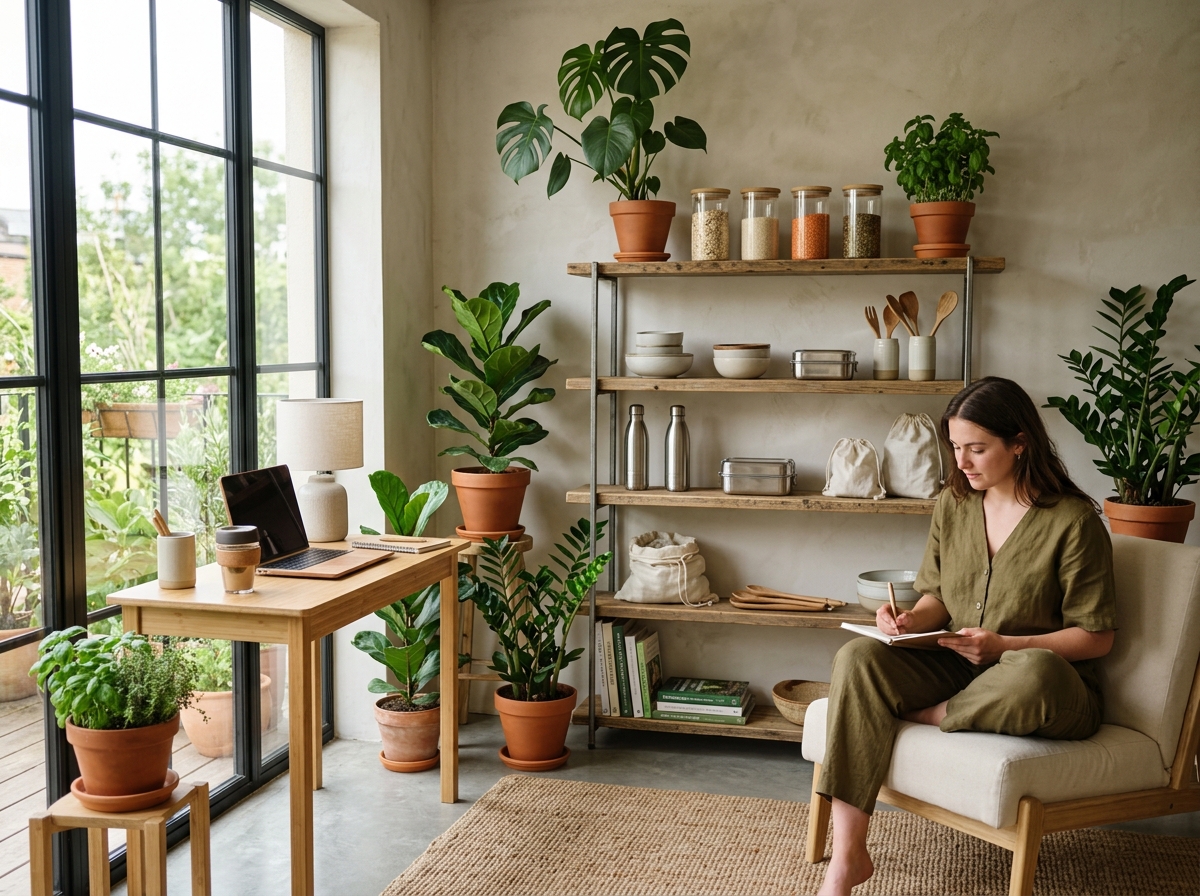
Minimalism and sustainability naturally complement one another.
Buy Less but Better
Choose:
- Durable products
- Repairable items
- Ethical brands
- Sustainable materials
Reduce Waste
Strategies include:
- Reusable containers
- Refillable products
- Composting
- Recycling responsibly
Support Circular Consumption
Consider:
- Secondhand purchases
- Donations
- Repairs
- Resale marketplaces
Think Long-Term
Minimalism encourages evaluating the full lifecycle of products before purchasing.
This mindset often leads to more environmentally responsible decisions.
Common Minimalism Mistakes to Avoid
Pursuing Perfection
Minimalism is not a competition.
Your version should reflect your needs and lifestyle.
Decluttering Too Aggressively
Removing valuable items impulsively can lead to regret.
Take a measured approach.
Copying Someone Else’s Lifestyle
Minimalism should be personalized.
A family home will naturally differ from a minimalist studio apartment.
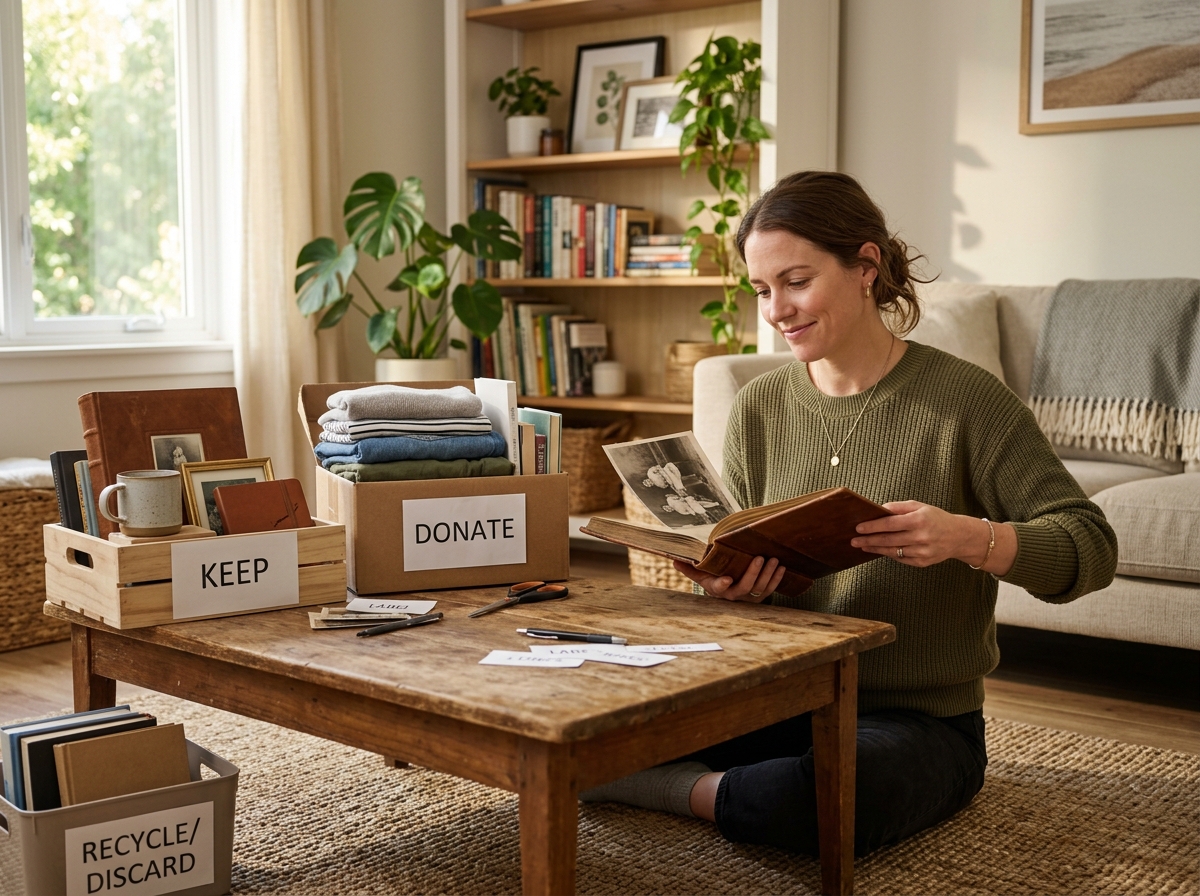
Ignoring Emotional Attachments
Some possessions hold genuine meaning.
Minimalism encourages intentional ownership, not emotional deprivation.
Treating Minimalism as a Trend
The most successful minimalist journeys focus on long-term habits rather than temporary challenges.
Frequently Asked Questions
What is a minimalist lifestyle?
A minimalist lifestyle focuses on intentionally reducing excess possessions, commitments, and distractions so you can prioritize what adds genuine value to your life.
How do I start living a minimalist lifestyle?
Begin small by decluttering one area at a time, identifying your goals, and making intentional decisions about what you own, buy, and prioritize.
Does minimalism save money?
Yes. Many people spend less by avoiding impulse purchases, reducing unnecessary subscriptions, and focusing on intentional spending habits.
Can minimalism improve mental health?
While not a treatment for mental health conditions, a clutter-free environment may reduce stress and improve focus for many individuals.
How many items should a minimalist own?
There is no specific number. Minimalism is about owning what serves your needs and values rather than meeting a predetermined item count.
What is digital minimalism?
Digital minimalism involves intentionally managing technology use, reducing digital distractions, organizing online spaces, and improving focus.
Can families live a minimalist lifestyle?
Absolutely. Family minimalism focuses on intentional ownership, organization, and prioritizing experiences rather than excessive possessions.
Is minimalism the same as simple living?
They are related but not identical. Simple living emphasizes reducing complexity, while minimalism specifically focuses on removing excess and intentional ownership.
How often should I declutter?
Most experts recommend monthly reviews and larger seasonal decluttering sessions to maintain organization and prevent clutter accumulation.
Is minimalism sustainable?
Yes. Minimalism often supports sustainability by reducing consumption, encouraging longer product lifecycles, and minimizing waste.
Conclusion
A minimalist lifestyle is not about deprivation, restriction, or living with as few possessions as possible. At its core, minimalism is about intentionality choosing what deserves space in your home, time in your schedule, and attention in your life.
Whether your goal is reducing clutter, improving financial health, creating a calmer home, embracing digital minimalism, or pursuing a more sustainable lifestyle, the principles outlined in this minimalist lifestyle guide provide a practical roadmap for meaningful change.
The journey toward minimalism looks different for everyone. Some people start by decluttering a single drawer, while others transform their entire approach to consumption and productivity. What matters most is identifying what truly adds value to your life and letting go of what doesn’t.
At Retro Living Today, we believe intentional living is one of the most effective ways to create a home and lifestyle that supports happiness, well-being, and long-term fulfillment. Explore our additional guides on home organization, sustainable living, personal finance, and mindful technology use to continue building a simpler and more purposeful life.