

Mental wellness is one of the most important foundations of a healthy and fulfilling life. While physical health often receives significant attention, emotional wellbeing, stress management, and mental resilience play an equally critical role in our overall quality of life.
In today’s fast-paced world, people face increasing demands from work, family responsibilities, financial pressures, technology, and social expectations. These challenges can contribute to stress, burnout, emotional fatigue, and feelings of overwhelm. Developing healthy mental wellness habits can help individuals better navigate daily pressures while maintaining a positive outlook and stronger emotional balance.
Mental wellness is not simply the absence of mental illness. It involves cultivating healthy coping mechanisms, emotional awareness, resilience, positive relationships, and habits that support psychological wellbeing. Small daily actions can have a significant impact on long-term mental health outcomes.
Whether you’re looking to reduce stress, improve focus, build emotional resilience, or create a healthier lifestyle, adopting practical mental wellness strategies can make a meaningful difference. The good news is that improving mental wellbeing does not necessarily require major life changes. Consistent, intentional habits often produce the most sustainable results.
In this comprehensive guide from Retro Living Today, we’ll explore actionable mental wellness tips, mindfulness techniques, self-care practices, and evidence-based lifestyle habits that can help support a healthier mind and a more balanced life.
Understanding Mental Wellness
Mental wellness refers to a person’s emotional, psychological, and social wellbeing. It influences how we think, feel, and behave throughout daily life. Mental wellness also affects how we manage stress, build relationships, make decisions, and cope with challenges.
Unlike temporary feelings of happiness, mental wellness involves maintaining emotional stability and resilience over time. It includes:
- Emotional awareness
- Positive coping skills
- Healthy relationships
- Self-confidence
- Stress management abilities
- Purpose and meaning
- Adaptability during change
People with strong mental wellness still experience stress, setbacks, and difficult emotions. However, they often possess healthy strategies that help them recover more effectively from life’s challenges.
Developing mental wellness should be viewed as an ongoing process rather than a destination. Like physical fitness, emotional wellbeing requires regular attention and consistent effort.
Why Mental Wellness Matters
Good mental wellness can contribute to:
- Improved productivity
- Better concentration
- Stronger relationships
- Enhanced emotional resilience
- Improved sleep quality
- Better stress management
- Greater life satisfaction
- Healthier lifestyle choices
Investing in mental wellbeing today can create long-term benefits across nearly every area of life.

Daily Mental Wellness Tips That Actually Work
Many people search for quick fixes to improve mental health, but sustainable wellbeing is usually built through small daily habits.
Start Your Day With Intention
The first 30 minutes after waking can significantly influence your mood and productivity.
Consider:
- Avoiding social media immediately after waking
- Practicing gratitude
- Stretching
- Drinking water
- Setting daily priorities
- Taking a short walk
A mindful morning routine helps create emotional balance before daily stressors begin.
Practice Daily Gratitude
Research consistently shows that gratitude can improve emotional wellbeing and reduce negative thinking patterns.
Simple gratitude exercises include:
- Writing three positive things each day
- Keeping a gratitude journal
- Expressing appreciation to others
- Reflecting on personal achievements
The goal is not to ignore challenges but to maintain perspective.
Prioritize Quality Sleep
Sleep and mental wellness are closely connected.
Poor sleep may contribute to:
- Irritability
- Reduced focus
- Increased stress
- Emotional instability
Helpful sleep habits include:
- Maintaining consistent sleep schedules
- Limiting screen time before bed
- Creating a relaxing bedtime routine
- Reducing caffeine consumption later in the day
Move Your Body Regularly
Exercise is one of the most effective natural wellness strategies.
Benefits include:
- Improved mood
- Reduced stress
- Better cognitive function
- Increased energy levels
- Enhanced emotional resilience
You don’t need intense workouts. Walking, yoga, swimming, cycling, and gardening can all support mental wellbeing.

Mindfulness Techniques for Better Mental Wellbeing
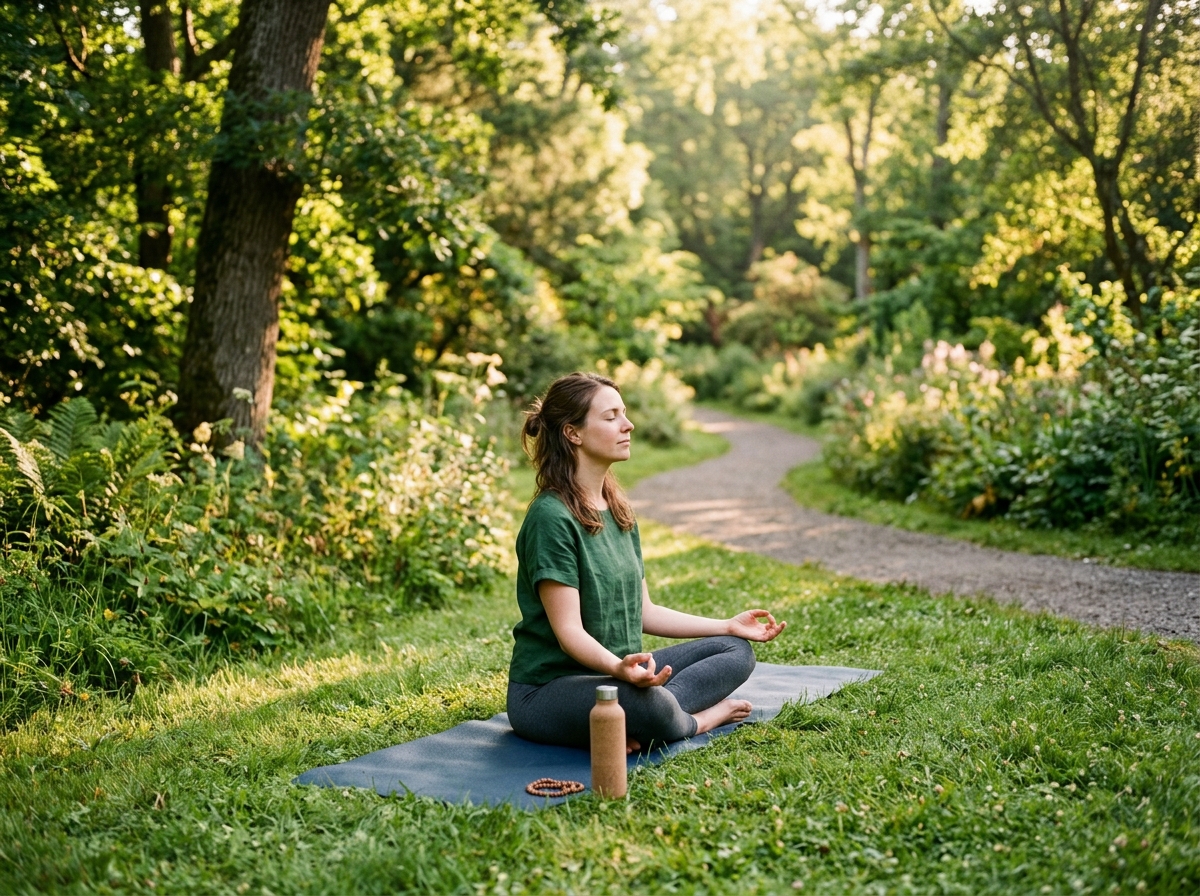
Mindfulness involves paying attention to the present moment without judgment.
In a world filled with constant distractions, mindfulness can help reduce stress and improve emotional regulation.
Mindful Breathing
One of the simplest mental wellness exercises involves focused breathing.
Try:
- Sit comfortably.
- Inhale slowly through the nose.
- Exhale gently through the mouth.
- Focus attention on each breath.
Even five minutes can help calm the nervous system.
Body Scan Meditation
Body scan exercises encourage awareness of physical sensations and tension.
Benefits include:
- Stress reduction
- Improved relaxation
- Better mind-body awareness
- Increased emotional regulation
Mindful Walking
Walking meditation combines movement and mindfulness.
Pay attention to:
- Footsteps
- Breathing
- Surroundings
- Physical sensations
This practice can help break cycles of overthinking and anxiety.
Digital Mindfulness
Technology can be useful, but constant connectivity often contributes to mental fatigue.
Consider:
- Turning off non-essential notifications
- Scheduling screen-free time
- Creating phone-free zones
- Taking social media breaks
Building Emotional Resilience
Emotional resilience refers to the ability to adapt and recover from adversity.
Resilience doesn’t mean avoiding stress. Instead, it means developing skills that help you navigate challenges more effectively.
Reframe Negative Thoughts
Our thoughts influence emotions and behaviors.
Instead of thinking:
“I always fail.”
Try:
“This situation didn’t go as planned, but I can learn from it.”
This approach promotes a growth mindset and healthier emotional responses.
Strengthen Problem-Solving Skills
When facing challenges:
- Define the issue clearly
- Brainstorm solutions
- Evaluate options
- Take action
- Review outcomes
Structured problem-solving often reduces feelings of helplessness.
Accept What You Cannot Control
Many stressors stem from focusing on circumstances beyond our control.
Direct energy toward:
- Personal actions
- Habits
- Responses
- Decision-making
This mindset often reduces anxiety and increases resilience.
Develop Self-Compassion
Treat yourself with the same kindness you would offer a friend.
Self-compassion can improve:
- Emotional recovery
- Confidence
- Stress management
- Overall wellbeing

Healthy Lifestyle Habits That Support Mental Wellness
Mental wellness and physical wellness are deeply connected.
Nutrition for Mental Wellbeing
While no single food guarantees mental wellness, balanced nutrition supports brain health.
Focus on:
- Fruits and vegetables
- Whole grains
- Lean proteins
- Healthy fats
- Adequate hydration
Limiting excessive processed foods may help support overall wellbeing.
Stay Socially Connected
Human connection is a major contributor to emotional health.
Ways to strengthen relationships:
- Schedule regular conversations
- Join community groups
- Participate in hobbies
- Volunteer
- Spend quality time with loved ones
Strong social networks often improve resilience during difficult times.
Spend Time Outdoors
Nature exposure has been associated with:
- Lower stress levels
- Improved mood
- Better concentration
- Enhanced relaxation
Even short outdoor breaks can provide mental wellness benefits.
Create Work-Life Balance
Work-related stress remains a common challenge.
Helpful strategies include:
- Setting boundaries
- Taking breaks
- Prioritizing tasks
- Using vacation time
- Avoiding excessive multitasking
A healthier balance supports long-term wellbeing.

Mental Wellness Tips for Busy Professionals
Professionals often struggle to prioritize wellbeing amid demanding schedules.
Schedule Wellness Like an Appointment
Treat mental wellness activities as non-negotiable calendar events.
Examples:
- Exercise sessions
- Meditation breaks
- Lunch walks
- Journaling time
Practice Micro-Breaks
Short breaks throughout the day can improve focus and reduce mental fatigue.
Try:
- Standing and stretching
- Deep breathing
- Brief walks
- Looking away from screens
Learn to Say No
Overcommitment frequently contributes to burnout.
Healthy boundaries protect:
- Energy
- Productivity
- Emotional wellbeing
Reduce Multitasking
Contrary to popular belief, multitasking often decreases efficiency and increases stress.
Single-tasking can improve concentration and mental clarity.

When to Seek Additional Support
Mental wellness practices are valuable, but there may be times when additional support is beneficial.
Consider speaking with a qualified healthcare professional if emotional challenges:
- Persist over time
- Interfere with daily activities
- Affect relationships
- Impact work performance
- Cause significant distress
Seeking support is a proactive step toward wellbeing, not a sign of weakness.
Wellness Disclaimer
This article is intended for educational and informational purposes only and should not be considered medical advice. Always consult qualified healthcare professionals regarding personal mental health concerns.

FAQ Section
What are the best daily mental wellness tips?
Some of the most effective daily mental wellness tips include practicing gratitude, maintaining a healthy sleep schedule, exercising regularly, staying socially connected, and setting aside time for mindfulness activities.
How can I improve mental wellness naturally?
Natural approaches include regular physical activity, balanced nutrition, quality sleep, stress management techniques, mindfulness practices, and spending time outdoors.
What are simple mental wellness habits for beginners?
Beginners can start with journaling, deep breathing exercises, daily walks, gratitude lists, reducing screen time, and creating a consistent morning routine.
How does mindfulness improve mental wellness?
Mindfulness encourages present-moment awareness, helping individuals manage stress, regulate emotions, improve focus, and reduce overthinking.
Can exercise improve mental wellbeing?
Yes. Regular exercise can help reduce stress, support emotional resilience, improve mood, and promote better sleep quality.
What role does sleep play in mental wellness?
Sleep supports emotional regulation, cognitive performance, memory, stress management, and overall psychological wellbeing.
How can busy professionals maintain mental wellness?
Professionals can prioritize mental wellness through scheduled self-care activities, micro-breaks, healthy boundaries, mindfulness practices, and work-life balance strategies.
What are healthy coping skills for stress?
Healthy coping skills include exercise, journaling, meditation, social support, problem-solving, relaxation techniques, and professional guidance when needed.
How can I build emotional resilience?
Building resilience involves developing self-awareness, practicing self-compassion, maintaining supportive relationships, learning from setbacks, and focusing on controllable factors.
When should someone seek professional support?
Professional support may be beneficial when emotional challenges persist, interfere with daily functioning, affect relationships, or cause significant distress.
Conclusion
Mental wellness is not achieved through a single habit or quick solution. Instead, it develops through consistent daily actions that support emotional balance, resilience, and overall wellbeing. By prioritizing sleep, mindfulness, physical activity, healthy relationships, stress management, and self-care, individuals can create a stronger foundation for long-term mental health.
The most effective mental wellness tips are often the simplest ones practiced consistently over time. Small improvements can compound into meaningful changes that enhance quality of life, productivity, and personal fulfillment.
At Retro Living Today, we believe wellness should be practical, accessible, and sustainable. Whether you’re beginning your mental wellness journey or looking to strengthen existing habits, implementing even a few of the strategies discussed in this guide can help support a healthier mind and a more balanced lifestyle.
Explore more health, lifestyle, and personal growth content on Retro Living Today to continue building habits that support your wellbeing and long-term success.