

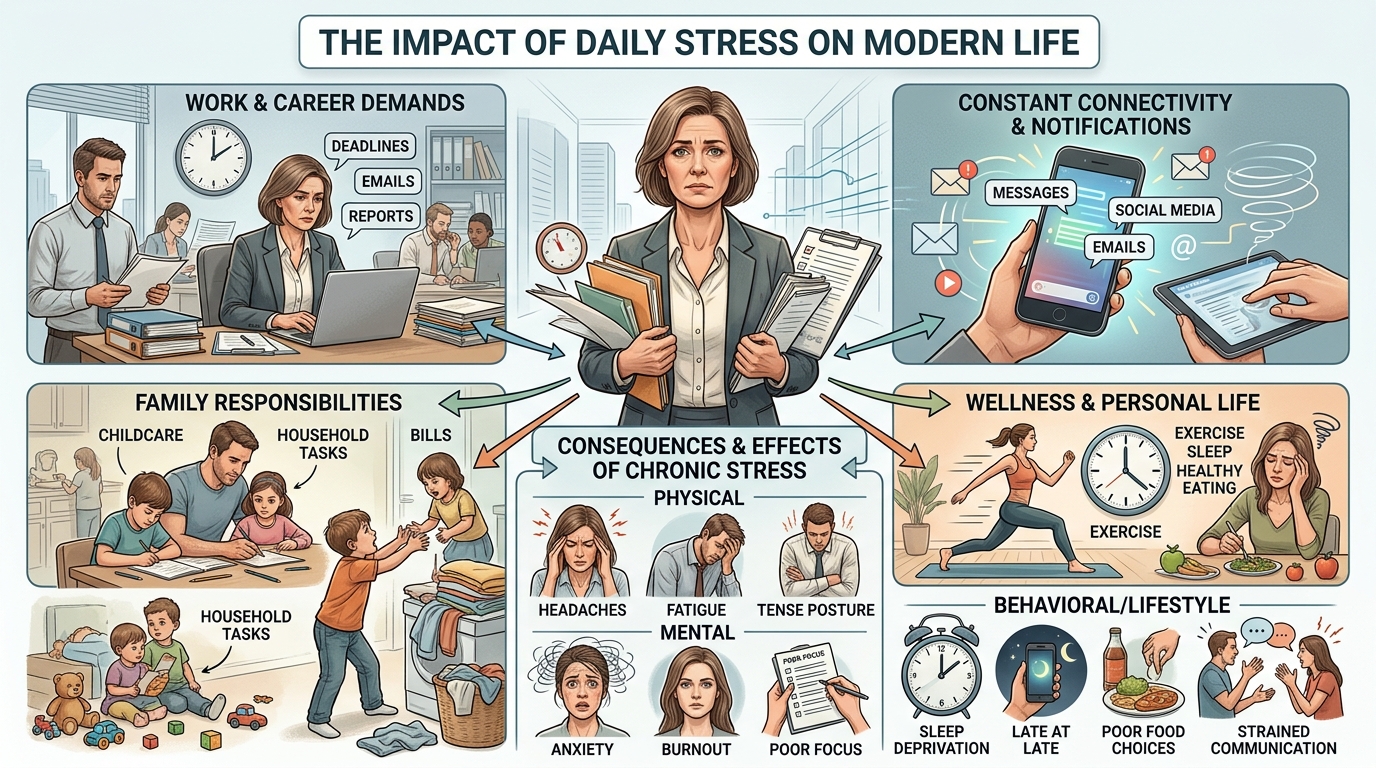
Stress has become one of the defining challenges of modern living. Whether it comes from work responsibilities, financial concerns, family obligations, health issues, or the constant flow of digital information, many people find themselves carrying a level of stress that feels almost normal.
The problem is that chronic stress can gradually affect nearly every aspect of life. It can influence sleep quality, energy levels, focus, productivity, relationships, and overall well-being. While occasional stress is a natural part of being human, prolonged stress can make daily life significantly more difficult.
Fortunately, effective stress management techniques do not require expensive programs, major lifestyle overhauls, or complicated routines. Small, consistent actions often produce the most meaningful results. Learning how to recognize stress triggers and respond to them in healthy ways can improve both physical and mental wellness over time.
At Retro Living Today, we believe wellness should be practical and sustainable. The best stress management strategies are the ones that fit naturally into everyday life and can be maintained long-term. This guide explores proven stress management techniques for daily life, practical habits for reducing stress, and realistic ways to create a healthier relationship with life’s challenges.
Understanding Stress and Why It Matters
Stress is the body’s natural response to challenges, demands, or perceived threats. When faced with a stressful situation, the body activates its “fight-or-flight” response, releasing hormones such as cortisol and adrenaline.
This response can be beneficial in short-term situations. It helps people react quickly, stay alert, and solve problems effectively. However, when stress becomes chronic, the body’s stress response remains active longer than intended.
Common symptoms of chronic stress include:
- Difficulty sleeping
- Persistent fatigue
- Irritability
- Trouble concentrating
- Muscle tension
- Frequent headaches
- Increased anxiety
- Digestive discomfort
- Reduced motivation
Recognizing these signs early is an important first step toward effective stress management.
Identifying Your Personal Stress Triggers
Many people attempt to reduce stress without fully understanding what causes it.
Stress triggers vary significantly from person to person. What feels overwhelming to one individual may feel manageable to another.
Common stress triggers include:
Work-Related Stress
- Heavy workloads
- Tight deadlines
- Workplace conflicts
- Job insecurity
- Lack of work-life balance
Financial Stress
- Debt
- Unexpected expenses
- Budget concerns
- Economic uncertainty
Relationship Stress
- Family disagreements
- Communication challenges
- Caregiving responsibilities
- Social conflicts
Lifestyle Stress
- Poor sleep habits
- Lack of exercise
- Overcommitted schedules
- Excessive screen time
Keeping a simple stress journal can help identify patterns. Record situations that trigger stress, how you felt, and how you responded. Over time, recurring themes often become clear. Understanding your stress triggers allows you to develop targeted coping strategies instead of relying on temporary fixes.

Daily Stress Management Techniques That Actually Work
Many stress reduction strategies fail because they are too complicated or unrealistic.
The most effective techniques are often simple and repeatable.
Practice Controlled Breathing
Breathing exercises can help activate the body’s relaxation response.
One effective method is the 4-4-6 breathing technique:
- Inhale for four seconds.
- Hold for four seconds.
- Exhale slowly for six seconds.
- Repeat for several minutes.
This technique can be used before meetings, during stressful situations, or before bedtime.
Take Micro-Breaks Throughout the Day
Continuous work without breaks often increases mental fatigue.
Even a five-minute break can help reset focus and reduce stress.
Examples include:
- Stretching
- Walking outdoors
- Drinking water
- Practicing deep breathing
- Looking away from screens
Focus on What You Can Control
Stress often increases when people focus on circumstances beyond their control.
Try separating concerns into two categories:
- Things you can influence
- Things you cannot influence
Direct energy toward actionable steps rather than uncontrollable outcomes.
Create a Consistent Daily Routine
Predictability can reduce uncertainty and improve emotional stability.
Simple routines can include:
- Consistent wake-up times
- Regular meals
- Scheduled exercise
- Planned relaxation periods
- Consistent bedtime routines
Mindfulness for Stress Relief
Mindfulness has become one of the most widely recommended stress management practices.
Mindfulness involves paying attention to the present moment without judgment.
Research consistently suggests that mindfulness practices may help reduce perceived stress and improve emotional regulation.
Simple Mindfulness Techniques
Mindful Breathing
Spend two to five minutes focusing entirely on your breath.
Notice:
- Inhalation
- Exhalation
- Physical sensations
When thoughts arise, gently return attention to breathing.
Mindful Walking
Pay attention to:
- Footsteps
- Breathing rhythm
- Surrounding sounds
- Physical sensations
This can transform an ordinary walk into a powerful stress reduction exercise.
Mindful Eating
Instead of eating while distracted:
- Slow down
- Notice flavors
- Observe textures
- Focus on the experience
This practice can improve both wellness and stress awareness.
The Role of Physical Activity in Stress Management
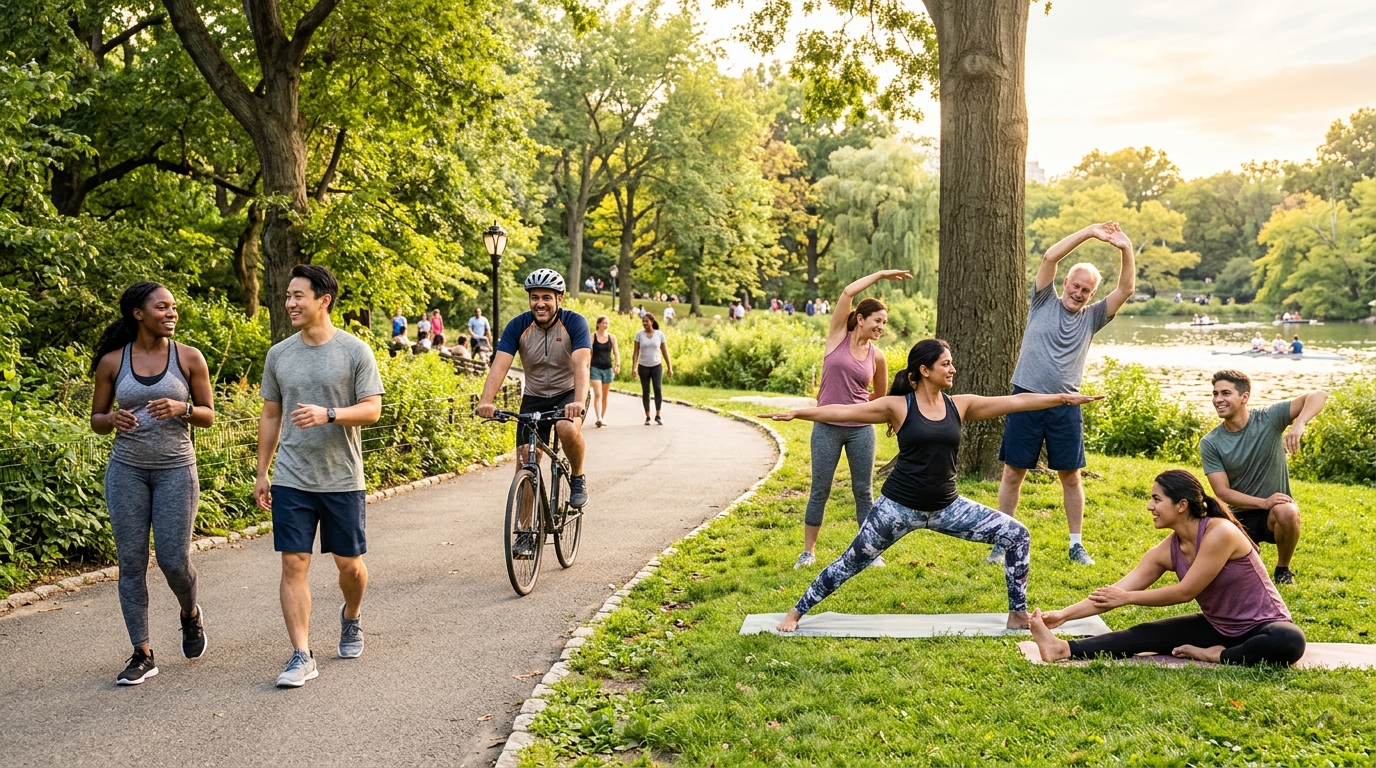
Exercise is one of the most effective natural stress relief methods available.
Physical activity supports stress management by:
- Releasing endorphins
- Improving sleep quality
- Reducing muscle tension
- Enhancing mood
- Supporting overall health
Best Exercises for Stress Relief
Walking
Walking remains one of the most accessible stress reduction techniques.
Benefits include:
- No special equipment
- Low impact
- Suitable for most fitness levels
Yoga
Yoga combines:
- Movement
- Stretching
- Controlled breathing
- Mindfulness
This combination can be particularly effective for stress management.
Strength Training
Strength training may improve:
- Confidence
- Energy
- Resilience
- Mental focus
Recreational Activities
Sports, dancing, hiking, and cycling can provide both physical and emotional benefits.
Sleep and Stress: The Critical Connection
Stress and sleep are closely connected.
Stress can disrupt sleep, while poor sleep can increase stress.
Improving sleep quality is often one of the fastest ways to improve stress resilience.
Better Sleep Habits
- Maintain consistent sleep schedules.
- Reduce screen use before bed.
- Keep bedrooms cool and comfortable.
- Avoid excessive caffeine late in the day.
- Create a relaxing nighttime routine.
Many people notice significant improvements in stress levels simply by prioritizing quality sleep.
Nutrition and Stress Management
What you eat can influence how your body responds to stress.
While no food eliminates stress entirely, healthy eating patterns support overall wellness.
Helpful Nutrition Habits
- Stay hydrated.
- Eat balanced meals.
- Include fruits and vegetables.
- Prioritize whole foods.
- Limit excessive processed foods.
Foods Often Associated with Wellness Support
- Leafy greens
- Berries
- Nuts
- Seeds
- Whole grains
- Fatty fish
- Legumes
Consistent nutrition habits often provide more benefits than restrictive diets.
Managing Workplace Stress Effectively
Workplace stress remains one of the most common challenges for adults.
Practical Workplace Stress Management Strategies
Prioritize Tasks
Focus on:
- Urgent tasks
- Important responsibilities
- Realistic deadlines
Set Healthy Boundaries
Avoid constant availability whenever possible.
Protect:
- Break times
- Personal time
- Recovery periods
Improve Workspace Organization
A cluttered environment can contribute to mental overwhelm.
Simple organization systems often improve productivity and reduce stress.
Communicate Early
Address concerns proactively rather than allowing issues to escalate.
Building Long-Term Emotional Resilience
Stress management is not about eliminating all stress.
It is about improving your ability to adapt and recover.
This ability is often called resilience.
Habits That Support Resilience
Maintain Strong Relationships
Supportive relationships can provide:
- Encouragement
- Perspective
- Emotional support
Practice Gratitude
Regular gratitude practices may help shift focus toward positive experiences.
Develop Problem-Solving Skills
Breaking large challenges into smaller steps often reduces overwhelm.
Accept Imperfection
Perfectionism frequently increases stress.
Progress is usually more valuable than perfection.

Digital Wellness and Stress Reduction
Technology offers many benefits, but excessive digital consumption can increase stress.
Common digital stressors include:
- Constant notifications
- Information overload
- Social media comparison
- Work-life boundary issues
Digital Wellness Tips
- Disable nonessential notifications.
- Schedule device-free periods.
- Limit doomscrolling.
- Curate social media feeds.
- Establish screen-free bedtime routines.
Creating healthier technology habits can significantly reduce daily stress.
Creating Your Personal Stress Management Plan
Every person experiences stress differently.
An effective stress management plan should include:
Daily Actions
- Deep breathing
- Walking
- Hydration
- Mindfulness
Weekly Actions
- Exercise sessions
- Social connections
- Hobby time
- Reflection
Monthly Actions
- Goal reviews
- Schedule adjustments
- Wellness check-ins
The key is consistency rather than perfection.
Many small healthy choices often produce greater long-term results than occasional major efforts.
Wellness Disclaimer
This article is intended for educational and informational purposes only. It does not provide medical advice, diagnosis, or treatment. Individuals experiencing severe stress, anxiety, depression, or other mental health concerns should seek guidance from qualified healthcare professionals.
Suggested External References
- https://www.who.int
- https://www.cdc.gov
- https://www.nimh.nih.gov
- https://www.apa.org
- https://www.mayoclinic.org
- https://www.harvard.edu
- https://www.nih.gov
Frequently Asked Questions
What are the best stress management techniques for daily life?
The most effective techniques often include regular exercise, mindfulness, healthy sleep habits, deep breathing exercises, time management, and maintaining supportive relationships.
How can I reduce stress naturally without medication?
Natural stress relief methods include walking, meditation, yoga, journaling, spending time outdoors, improving sleep quality, and maintaining a balanced diet.
How do working professionals manage stress effectively?
Professionals often benefit from prioritizing tasks, setting boundaries, taking regular breaks, maintaining work-life balance, and using mindfulness techniques throughout the day.
Can mindfulness really help reduce daily stress?
Mindfulness encourages present-moment awareness and may improve emotional regulation, helping individuals respond more calmly to stressful situations.
What are simple stress relief exercises for beginners?
Beginners can start with deep breathing, stretching, short walks, guided meditation, progressive muscle relaxation, and journaling.
How does sleep affect stress levels?
Poor sleep can increase stress hormones and reduce resilience, while quality sleep supports emotional regulation, focus, and overall well-being.
What foods may support stress management?
Balanced meals that include fruits, vegetables, whole grains, healthy fats, and adequate hydration may help support overall wellness and stress resilience.
How can I stay calm during stressful situations?
Pause, focus on controlled breathing, identify what you can control, avoid impulsive reactions, and take small actionable steps toward resolving the challenge.
Is exercise one of the best stress management techniques?
Exercise is widely recognized as one of the most effective stress management tools because it supports mood, sleep, energy levels, and overall health.
How do I create a personal stress management plan?
Identify your stress triggers, choose practical daily coping techniques, schedule self-care activities, monitor progress, and adjust your approach as needed.
Conclusion
Stress is an unavoidable part of life, but it does not have to dominate your daily experience. By understanding your stress triggers, practicing mindfulness, prioritizing sleep, staying physically active, improving nutrition, and building emotional resilience, you can create a healthier and more balanced lifestyle.
The most successful stress management techniques for daily life are often the simplest ones practiced consistently. Small actions such as taking a walk, improving sleep habits, breathing deeply, or setting healthy boundaries can produce meaningful improvements over time.
At Retro Living Today, we encourage readers to approach wellness with practicality and patience. Sustainable habits, not perfection, are what create lasting results. Explore more wellness, lifestyle, and personal growth content on Retro Living Today to continue building a healthier, more balanced life.