

Sleep affects nearly every aspect of our lives. From energy levels and productivity to mood, focus, and overall well-being, quality sleep is one of the most important pillars of health. Yet millions of people struggle with falling asleep, staying asleep, or waking up feeling refreshed.
Modern lifestyles often work against healthy sleep. Late-night screen time, stress, inconsistent schedules, excessive caffeine consumption, and poor sleep environments can all contribute to restless nights. As a result, many people find themselves searching for effective sleep improvement tips that actually work.
The good news is that improving sleep quality does not necessarily require drastic changes. Small, consistent adjustments to your daily habits and bedtime routine can make a meaningful difference over time. Many sleep experts agree that sustainable sleep improvement comes from developing healthy behaviors rather than relying on quick fixes.
At Retro Living Today, we believe that better living often starts with simple lifestyle improvements. Sleep is one of the most powerful yet overlooked tools for enhancing physical and mental wellness. Whether you’re dealing with occasional sleeplessness or simply looking to optimize your nightly rest, understanding how sleep works can help you make smarter choices.
This comprehensive guide explores science-backed sleep improvement techniques, practical sleep hygiene tips, and actionable strategies you can implement immediately. By the end, you’ll have a clear roadmap for creating healthier sleep habits and achieving more restorative rest.
Why Sleep Quality Matters More Than You Think
Many people focus on the number of hours they sleep, but sleep quality is equally important. Spending eight hours in bed doesn’t necessarily mean your body receives the restorative benefits it needs.
Quality sleep supports:
- Cognitive function
- Memory consolidation
- Emotional regulation
- Physical recovery
- Immune system health
- Hormonal balance
- Energy production
- Metabolic health
Poor sleep can lead to daytime fatigue, reduced concentration, irritability, and lower productivity. Over time, chronic sleep deprivation may contribute to broader health challenges and reduced quality of life.
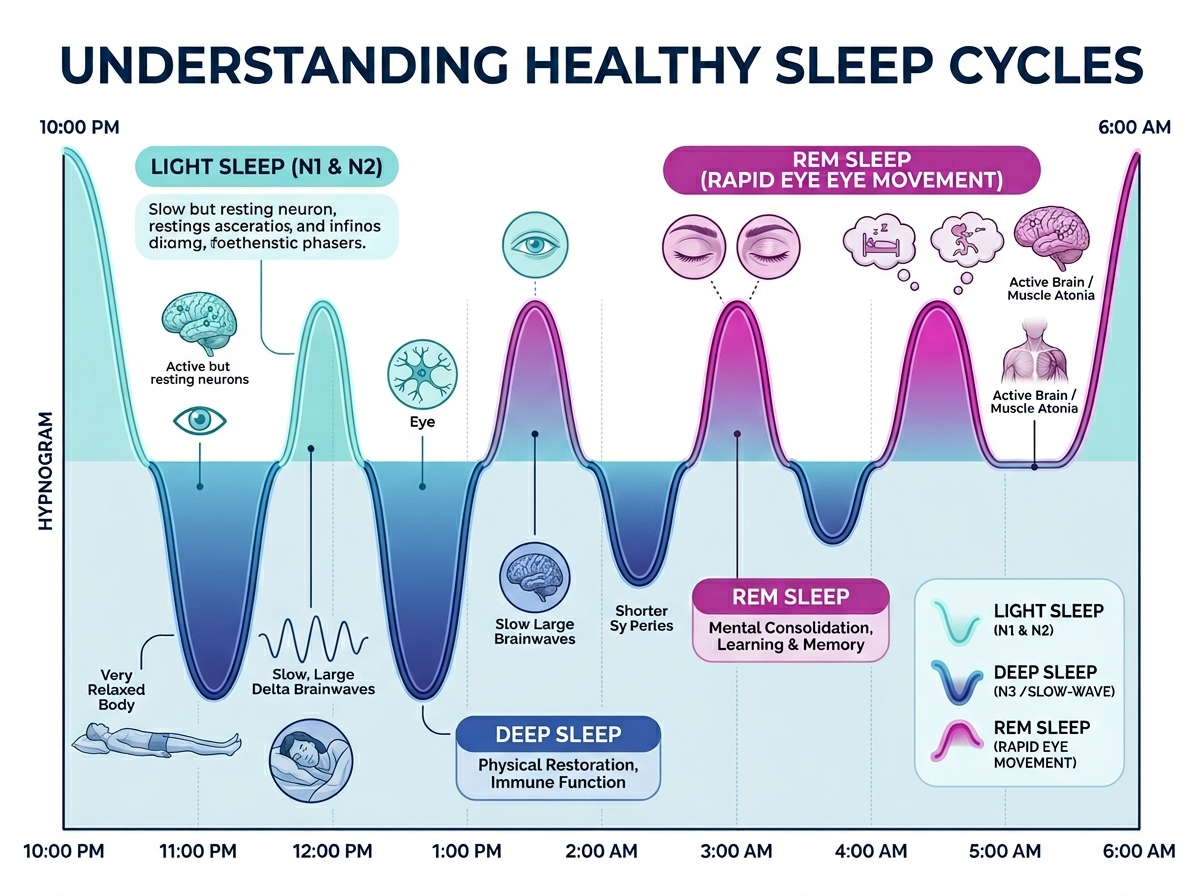
A healthy sleep cycle consists of multiple stages, including light sleep, deep sleep, and REM sleep. Each stage plays a unique role in helping the body and mind recover from daily activities.
When your sleep cycle becomes disrupted, even spending enough time in bed may not leave you feeling refreshed.
Understanding Sleep Cycles
Throughout the night, your body cycles through several stages of sleep approximately every 90 minutes.
Key sleep stages include:
Light Sleep
The transition between wakefulness and deeper sleep.
Deep Sleep
Supports physical recovery, tissue repair, and immune function.
REM Sleep
Associated with dreaming, learning, memory processing, and emotional health.
Maintaining uninterrupted sleep helps ensure your body progresses naturally through these important stages.
Common Causes of Poor Sleep Quality
Before improving sleep, it helps to understand what might be interfering with it.
Many sleep challenges stem from everyday habits rather than serious health issues.
Excessive Screen Time
Phones, tablets, laptops, and televisions emit blue light that may interfere with natural melatonin production.
Melatonin is a hormone that helps regulate the body’s sleep-wake cycle. Exposure to bright screens before bedtime can signal to the brain that it’s still daytime, making it harder to fall asleep.
Stress and Mental Overload
Modern life often keeps people mentally engaged long after the workday ends.
Common sleep disruptors include:
- Work-related stress
- Financial concerns
- Family responsibilities
- Social pressures
- Information overload
A busy mind can significantly delay sleep onset and increase nighttime awakenings.
Irregular Sleep Schedules
Going to bed and waking up at different times each day can disrupt your circadian rhythm.
Your body thrives on consistency. Frequent schedule changes make it harder for your internal clock to regulate sleep effectively.
Poor Sleep Environment
Environmental factors often play a larger role than many people realize.
Potential issues include:
- Excessive noise
- Bright lighting
- Uncomfortable mattresses
- Poor room temperature
- Cluttered surroundings
Creating a dedicated sleep-friendly environment can have immediate benefits.
Caffeine and Stimulants
Coffee, energy drinks, tea, and certain medications may remain in the body for several hours.
Consuming caffeine late in the day can delay sleep and reduce sleep quality even if you fall asleep relatively quickly.
Lack of Physical Activity
Regular movement supports healthy sleep patterns. Sedentary lifestyles can contribute to restlessness and lower sleep quality.
Even moderate daily exercise can improve both sleep duration and sleep efficiency.
How to Improve Sleep Quality Naturally
Many people look for natural sleep improvement methods before considering supplements or medications.
Fortunately, several evidence-based habits can help improve sleep naturally.
Maintain a Consistent Sleep Schedule
One of the most effective sleep improvement tips is surprisingly simple: go to bed and wake up at the same time every day.
Consistency helps regulate your circadian rhythm and trains your body to expect sleep at predictable times.
Even on weekends, try to stay within one hour of your normal schedule.
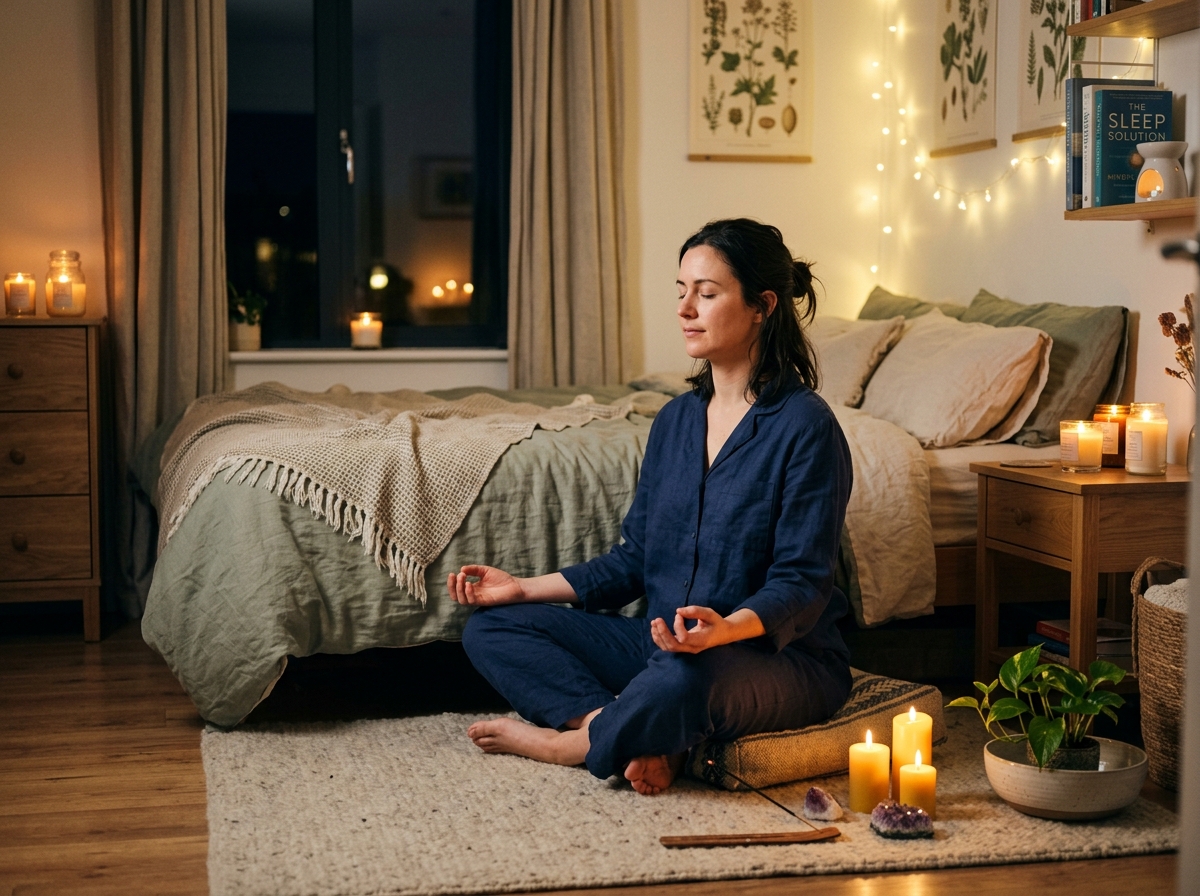
Create a Relaxing Pre-Sleep Routine
Your brain benefits from clear signals that bedtime is approaching.
A calming nighttime routine may include:
- Reading a book
- Gentle stretching
- Journaling
- Meditation
- Breathing exercises
- Listening to relaxing music
The goal is to transition gradually from daytime activity to nighttime rest.
Reduce Evening Screen Exposure
Ideally, limit screen use 60 to 90 minutes before bed.
If screen use is unavoidable:
- Lower brightness settings
- Use blue-light reduction features
- Avoid emotionally stimulating content
- Keep devices out of the bedroom when possible
Many people notice significant improvements after reducing nighttime device use.
Optimize Your Sleep Environment
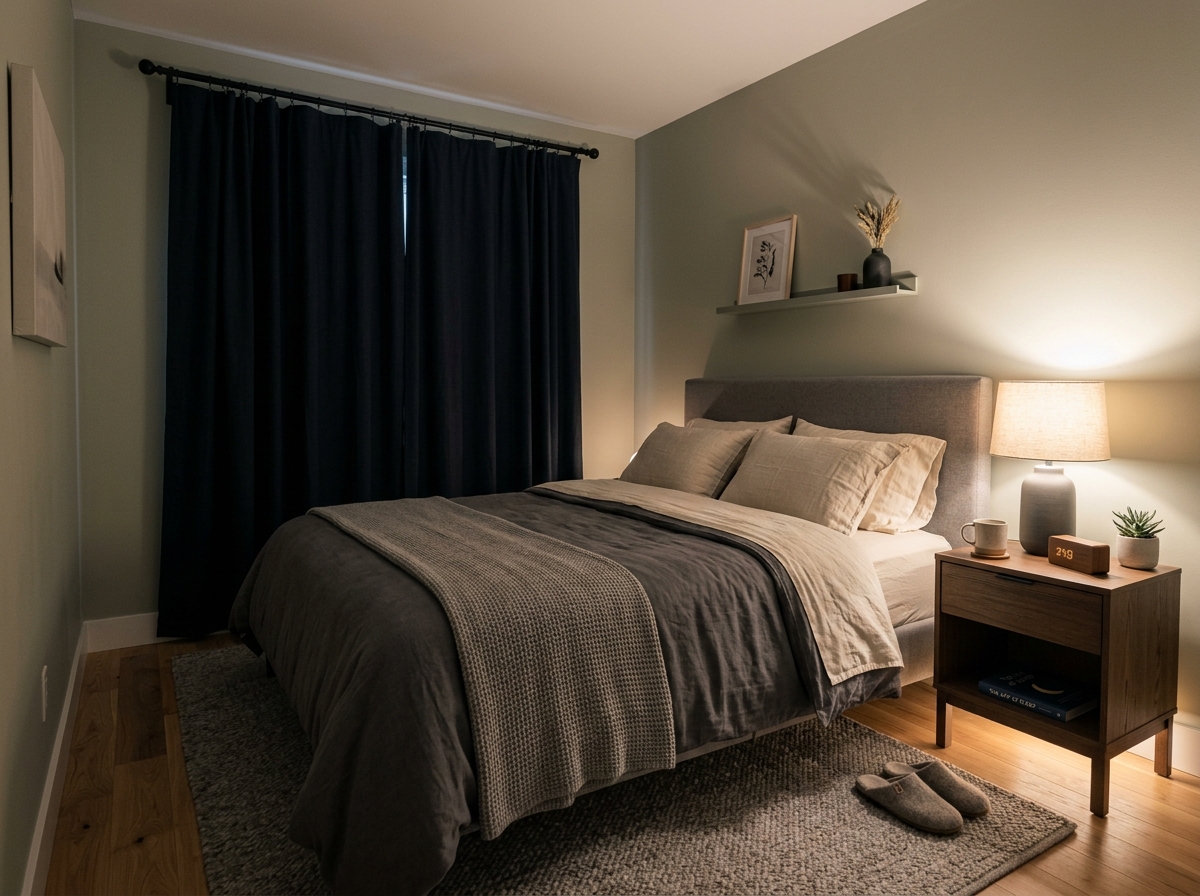
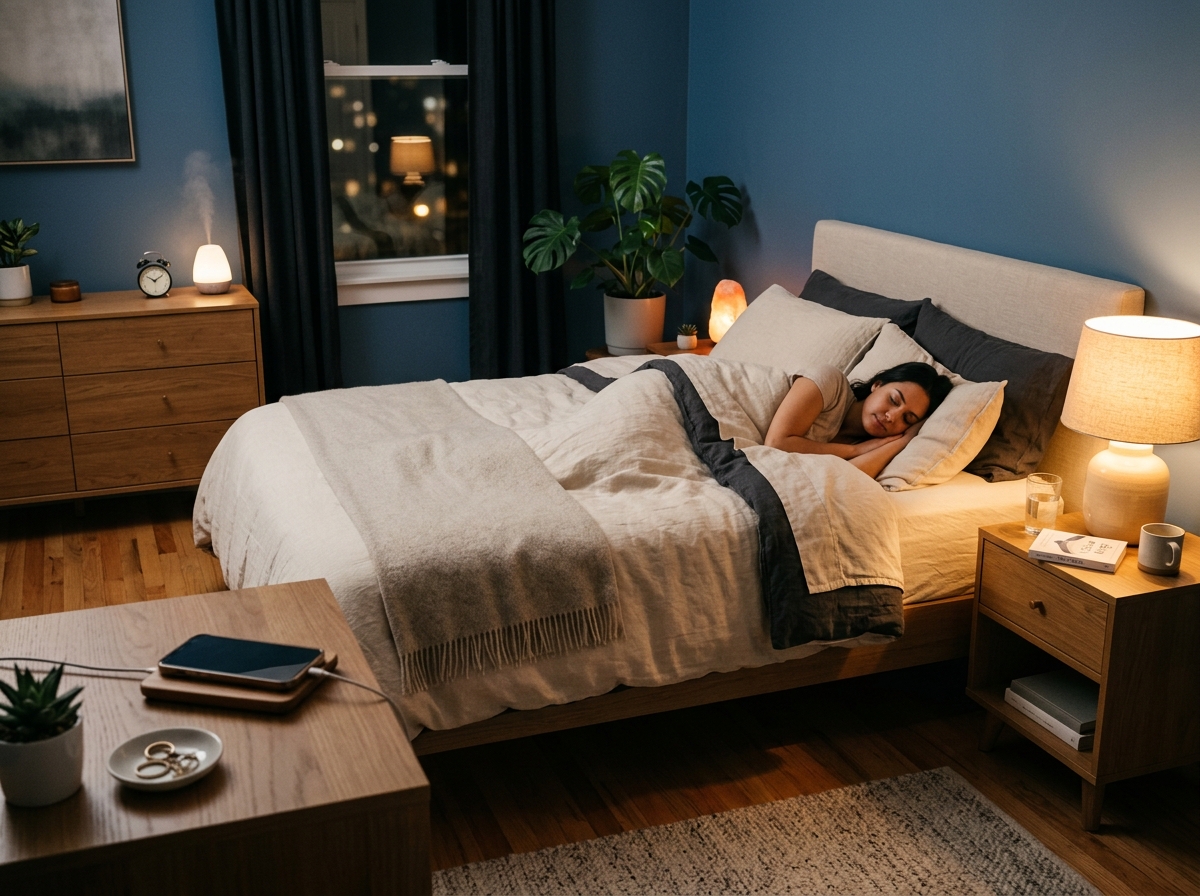
A sleep-friendly bedroom promotes relaxation and uninterrupted rest.
Focus on:
Darkness
Use blackout curtains or sleep masks when necessary.
Quietness
Consider earplugs or white noise machines if external sounds are disruptive.
Comfortable Temperature
Most people sleep best in a cool room.
Comfortable Bedding
Quality mattresses and pillows can significantly affect sleep comfort.
At Retro Living Today, we often emphasize that home environments influence wellness more than many people realize. Small bedroom upgrades can produce noticeable improvements in sleep quality.
Sleep Hygiene Tips That Actually Work
Sleep hygiene refers to behaviors and environmental practices that support healthy sleep.
While the term sounds technical, the concept is straightforward: create conditions that make quality sleep easier.
Avoid Large Meals Before Bed
Heavy meals close to bedtime may cause discomfort and interfere with sleep.
If you’re hungry in the evening, choose lighter options rather than large portions.
Limit Alcohol Before Sleep
Although alcohol may initially cause drowsiness, it can disrupt normal sleep cycles later in the night.
Many people experience fragmented sleep and reduced sleep quality after drinking alcohol close to bedtime.
Get Morning Sunlight Exposure
Natural sunlight helps regulate circadian rhythms.
Try spending at least 15 to 30 minutes outdoors shortly after waking.
Benefits may include:
- Improved alertness
- Better mood
- Stronger sleep-wake regulation
- Easier nighttime sleep onset
Use Your Bed Primarily for Sleep
Your brain forms associations based on repeated behaviors.
If you regularly work, browse social media, or watch television in bed, your brain may stop associating the bed exclusively with sleep.
Strengthening that connection can help improve sleep consistency.
Avoid Long Daytime Naps
Short naps can be helpful.
However, long or late-afternoon naps may reduce nighttime sleep drive.
For most people:
- Keep naps under 30 minutes
- Avoid napping late in the day
This helps preserve natural sleepiness at bedtime.
The Role of Stress Management in Better Sleep
Stress and sleep are deeply interconnected.
Even when people follow good sleep hygiene practices, ongoing stress can continue to interfere with rest.
Learning how to manage stress effectively often becomes a critical part of any sleep improvement plan.
Many individuals focus exclusively on bedtime habits while overlooking the emotional and mental factors that affect sleep quality throughout the day. In reality, sleep often reflects how well we manage stress during our waking hours.
A helpful approach is to build relaxation into your daily routine rather than treating it as a last-minute bedtime solution.
Effective Relaxation Techniques
Several techniques may help calm the nervous system before sleep:
- Deep breathing exercises
- Progressive muscle relaxation
- Guided meditation
- Mindfulness practices
- Gentle yoga
- Gratitude journaling
These activities can help shift the body from a state of alertness toward a state of relaxation.
Research continues to show that mindfulness-based practices may support better sleep quality by reducing mental chatter and helping individuals manage stress more effectively.
Best Bedtime Habits for Quality Sleep
Healthy sleep doesn’t begin when your head hits the pillow. It begins hours earlier through intentional habits that prepare your body and mind for rest.
Many sleep experts emphasize that consistency matters more than perfection. A simple bedtime routine followed regularly is often more effective than an elaborate routine followed occasionally.
Build a Consistent Wind-Down Routine
Your brain responds well to patterns. Repeating the same relaxing activities each evening helps signal that bedtime is approaching.
A practical bedtime routine may include:
- Dimming lights one hour before bed
- Putting away electronic devices
- Taking a warm shower or bath
- Reading a physical book
- Practicing relaxation exercises
- Preparing your bedroom environment
The goal is to create a gradual transition from activity to rest.
Avoid Stimulating Activities Before Bed
Certain activities can increase alertness and make it harder to fall asleep.
Examples include:
- Intense exercise immediately before bed
- Heated discussions
- Work-related tasks
- Competitive gaming
- Consuming breaking news or stressful content
Replacing stimulating activities with calming alternatives often leads to better sleep onset.
Keep a Sleep Journal
If you struggle with inconsistent sleep, tracking habits can reveal useful patterns.
Record:
- Bedtime
- Wake-up time
- Caffeine intake
- Exercise habits
- Stress levels
- Sleep quality
Over time, you may identify behaviors that either help or hinder your sleep.

How to Fall Asleep Faster Naturally
One of the most common sleep-related questions is: “How can I fall asleep faster?”
While there is no universal solution, several natural approaches can help.
Try Controlled Breathing Techniques
Breathing exercises may help reduce physical tension and mental stress.
One commonly used method involves:
- Inhale slowly through the nose
- Hold briefly
- Exhale slowly and completely
The focus on breathing can shift attention away from racing thoughts.
Avoid Watching the Clock
Constantly checking the time often increases anxiety.
Instead of calculating how many hours remain before morning, focus on relaxation.
Turning the clock away from view can be surprisingly helpful.
Get Out of Bed If You Can’t Sleep
If you’ve been awake for an extended period, many sleep specialists recommend leaving the bedroom temporarily.
Choose a calm activity such as:
- Reading
- Gentle stretching
- Meditation
Return to bed once you feel sleepy.
This approach helps strengthen the mental association between your bed and sleep.
Practice Mental Unwinding
Many people experience “busy brain” at bedtime.
Helpful strategies include:
- Writing tomorrow’s to-do list
- Journaling concerns
- Creating a gratitude list
- Brain-dumping unfinished thoughts
These techniques help reduce mental clutter before sleep.
Foods and Drinks That May Support Better Sleep
Nutrition can influence sleep quality in subtle but meaningful ways.
While food alone won’t solve serious sleep problems, dietary habits can support a healthy sleep routine.
Foods Commonly Associated With Better Sleep
Certain foods contain nutrients involved in sleep regulation.
Examples include:
Cherries
Often associated with natural melatonin content.
Kiwi
Contains nutrients that may support overall sleep health.
Oats
A complex carbohydrate that may promote feelings of relaxation.
Bananas
Contain magnesium and potassium, which support muscle relaxation.
Nuts
Particularly almonds and walnuts, which provide beneficial nutrients.
Yogurt
Provides calcium and protein that support overall wellness.
Hydration Matters
Dehydration may contribute to discomfort and poor sleep.
However, excessive fluid intake close to bedtime may increase nighttime bathroom visits.
Aim for balanced hydration throughout the day.
Foods and Drinks to Limit Before Bed
Some items may negatively affect sleep:
- Energy drinks
- Strong coffee
- Excessive sugar
- Heavy meals
- Large amounts of spicy food
Individual tolerance varies, but reducing these close to bedtime may improve sleep quality.

Sleep Improvement Tips for Adults Over 40
Sleep patterns often change with age.
Many adults notice that sleep becomes lighter, shorter, or more fragmented as they get older.
While some changes are normal, quality sleep remains essential at every age.
Prioritize Sleep Consistency
Circadian rhythms can become more sensitive over time.
Maintaining regular bedtimes and wake times becomes increasingly important.
Create a Recovery-Focused Bedroom
Comfort becomes even more important after 40.
Consider:
- Supportive mattresses
- Quality pillows
- Temperature regulation
- Reduced noise
- Improved lighting control
Small upgrades can produce meaningful improvements in sleep comfort.
Stay Physically Active
Regular movement supports:
- Better sleep efficiency
- Improved mood
- Physical recovery
- Overall wellness
Walking, swimming, cycling, and strength training can all contribute to healthier sleep patterns.
Manage Stress Proactively
Career demands, family responsibilities, and financial pressures can increase stress during midlife.
Developing healthy stress-management habits often becomes essential for maintaining quality sleep.
At Retro Living Today, we’ve found that many readers benefit from focusing on lifestyle balance rather than searching for quick fixes.
Sleep and Technology: Friend or Foe?
Technology has transformed modern life, but it has also created new sleep challenges.
The Impact of Blue Light Exposure
Screens emit blue wavelengths that may influence melatonin production.
This can delay sleep onset and reduce feelings of sleepiness.
Ways to Reduce Blue Light Exposure
- Enable night mode settings
- Use blue-light filtering glasses
- Lower screen brightness
- Limit screen use before bed
Digital Overstimulation
Even when brightness is reduced, content itself can remain stimulating.
Examples include:
- Social media scrolling
- Work emails
- Online debates
- News consumption
The brain may remain mentally active long after the device is turned off.
Creating a Technology Curfew
Many sleep experts recommend establishing a “digital sunset.”
A practical approach:
- Stop work emails 90 minutes before bed
- Avoid social media during the final hour
- Charge devices outside the bedroom
This simple habit often improves both sleep quality and mental well-being.
Creating the Ultimate Sleep Improvement Plan
The most effective sleep strategies are sustainable.
Rather than attempting dozens of changes at once, focus on a few high-impact habits.
Week 1: Establish Consistency
Focus on:
- Fixed bedtime
- Fixed wake-up time
- Morning sunlight exposure
Week 2: Improve Sleep Hygiene
Add:
- Reduced screen time
- Better bedroom environment
- Reduced caffeine intake
Week 3: Optimize Stress Management
Introduce:
- Meditation
- Journaling
- Relaxation exercises
Week 4: Fine-Tune Your Routine
Evaluate:
- Sleep quality
- Energy levels
- Bedtime habits
- Lifestyle triggers
This gradual approach often leads to more lasting improvements.
Wellness Disclaimer
This article is intended for educational and informational purposes only and should not be considered medical advice. Sleep challenges can result from a wide range of factors. If persistent sleep difficulties significantly affect your daily life, consider consulting a qualified healthcare professional for personalized guidance.
FAQ Section
How can I improve sleep quality naturally?
You can improve sleep quality naturally by maintaining a consistent sleep schedule, limiting screen time before bed, optimizing your sleep environment, managing stress, and practicing healthy sleep hygiene habits.
What are the best sleep improvement tips for adults?
Some of the most effective sleep improvement tips include keeping regular bedtimes, reducing caffeine intake, exercising regularly, creating a calming bedtime routine, and maintaining a comfortable sleep environment.
How do I fall asleep faster at night naturally?
Try relaxation techniques such as deep breathing, meditation, gentle stretching, or reading. Avoid screens and stimulating activities before bedtime.
What is sleep hygiene?
Sleep hygiene refers to habits and environmental factors that support healthy sleep, including consistent schedules, bedroom comfort, and lifestyle choices that encourage restful sleep.
Does exercise improve sleep quality?
Regular physical activity is often associated with improved sleep quality, increased sleep duration, and better overall wellness. However, intense exercise immediately before bedtime may not be ideal for everyone.
Can screen time affect sleep?
Yes. Excessive screen exposure, especially before bedtime, may interfere with melatonin production and delay sleep onset.
What foods help improve sleep?
Foods commonly associated with healthy sleep include cherries, bananas, nuts, yogurt, oats, and other nutrient-rich foods that support overall wellness.
How do I stop waking up during the night?
Improving sleep hygiene, reducing evening alcohol intake, managing stress, and optimizing your bedroom environment may help reduce nighttime awakenings.
What is the ideal bedroom temperature for sleep?
Most people sleep best in a cool environment. Individual preferences vary, but cooler temperatures generally support more comfortable sleep.
How long does it take to improve sleep habits?
Many people notice small improvements within a few days, while more significant changes often develop over several weeks of consistent practice.
Suggested Authoritative External References
- Centers for Disease Control and Prevention Sleep Health
- National Sleep Foundation
- National Institutes of Health Sleep Information
- Harvard Medical School Sleep Resources
- Mayo Clinic Sleep Health Guide
Conclusion
Quality sleep is one of the most valuable investments you can make in your overall well-being. While modern lifestyles often create obstacles to healthy sleep, the good news is that meaningful improvements are usually achievable through consistent habits and thoughtful lifestyle adjustments.
The most effective sleep improvement tips are often the simplest: maintaining a regular sleep schedule, creating a calming bedtime routine, reducing screen exposure, managing stress, staying physically active, and optimizing your sleep environment. These foundational habits help support your body’s natural sleep processes and contribute to deeper, more restorative rest.
Remember that improving sleep is rarely about finding a single magic solution. Instead, it involves building a collection of healthy behaviors that work together over time. Small changes practiced consistently often produce better results than dramatic changes that are difficult to maintain.
At Retro Living Today, we believe that better living starts with practical, sustainable choices that enhance everyday life. Sleep is a cornerstone of wellness, and prioritizing it can positively influence your energy, productivity, mood, and overall quality of life.
As you begin implementing these strategies, focus on progress rather than perfection. Experiment with different techniques, track your results, and discover the routines that work best for your lifestyle. Better sleep may be closer than you think—and the benefits can extend far beyond the bedroom.
For more lifestyle, wellness, home improvement, and healthy living content, continue exploring Retro Living Today and discover practical ways to create a healthier, more balanced life.