
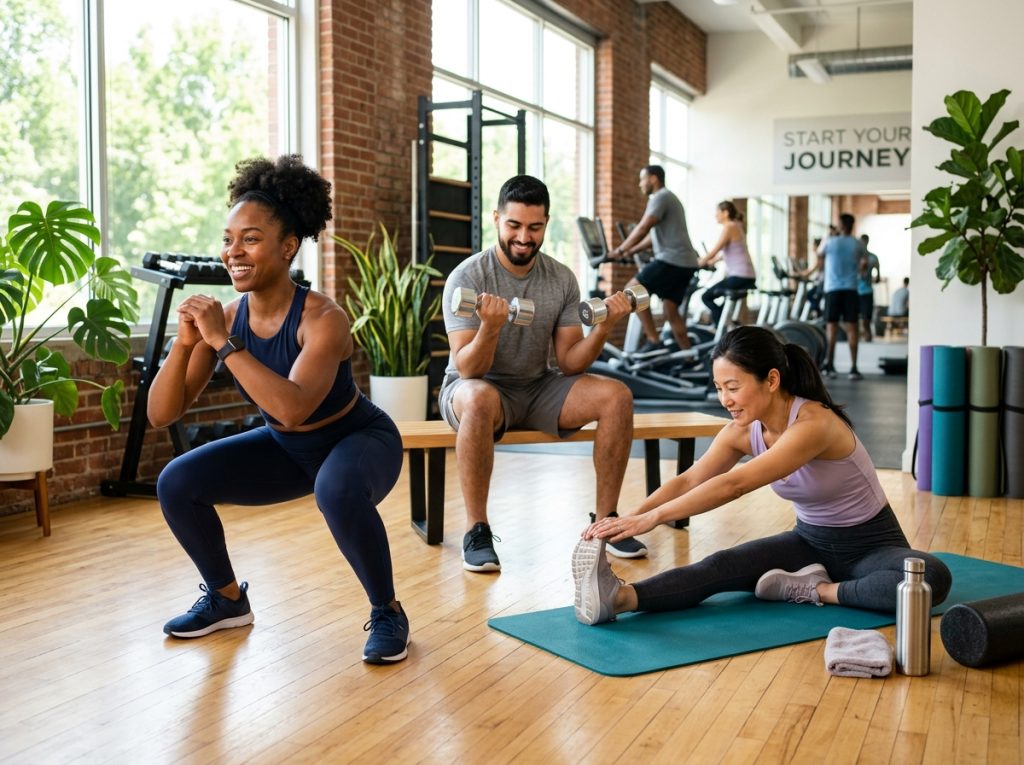
Starting a fitness journey can be exciting, inspiring, and life-changing. Yet for many people, taking the first step is often the hardest part.
Between conflicting advice online, complicated workout programs, fitness influencers showcasing advanced routines, and endless nutrition trends, beginners frequently feel overwhelmed before they even begin.
The truth is that successful fitness doesn’t require expensive equipment, extreme diets, or spending hours in the gym every day. What matters most is building sustainable habits that fit your lifestyle and can be maintained over time.
Whether your goal is weight loss, improved strength, better cardiovascular health, increased energy, or simply feeling better in your body, a well-structured beginner fitness guide can provide the foundation you need for long-term success.
At Retro Living Today, we believe fitness should be accessible, practical, and realistic. Instead of chasing quick fixes, this guide focuses on creating a sustainable approach that helps beginners build confidence while making steady progress.
By the end of this article, you’ll understand how to start exercising safely, create a beginner workout plan, improve your nutrition, stay motivated, and avoid common mistakes that often derail fitness journeys.
Why Fitness Matters for Beginners
Fitness is about much more than appearance.
Regular physical activity contributes to improved physical health, mental well-being, and overall quality of life.
Some of the most important benefits include:
- Increased energy levels
- Better cardiovascular fitness
- Improved strength and mobility
- Enhanced mood and stress management
- Better sleep quality
- Healthy weight management
- Reduced risk of chronic diseases
- Improved confidence and self-esteem
Many beginners focus solely on weight loss. While weight management can be a worthwhile goal, fitness should be viewed as a long-term investment in overall wellness.
Developing healthy habits today can provide benefits for decades to come.
The Beginner Mindset Shift
One of the most valuable lessons in fitness is learning to focus on consistency rather than perfection.
You do not need the perfect workout plan.
You do not need perfect nutrition.
You simply need to show up consistently.
Small actions repeated over months and years create remarkable results.
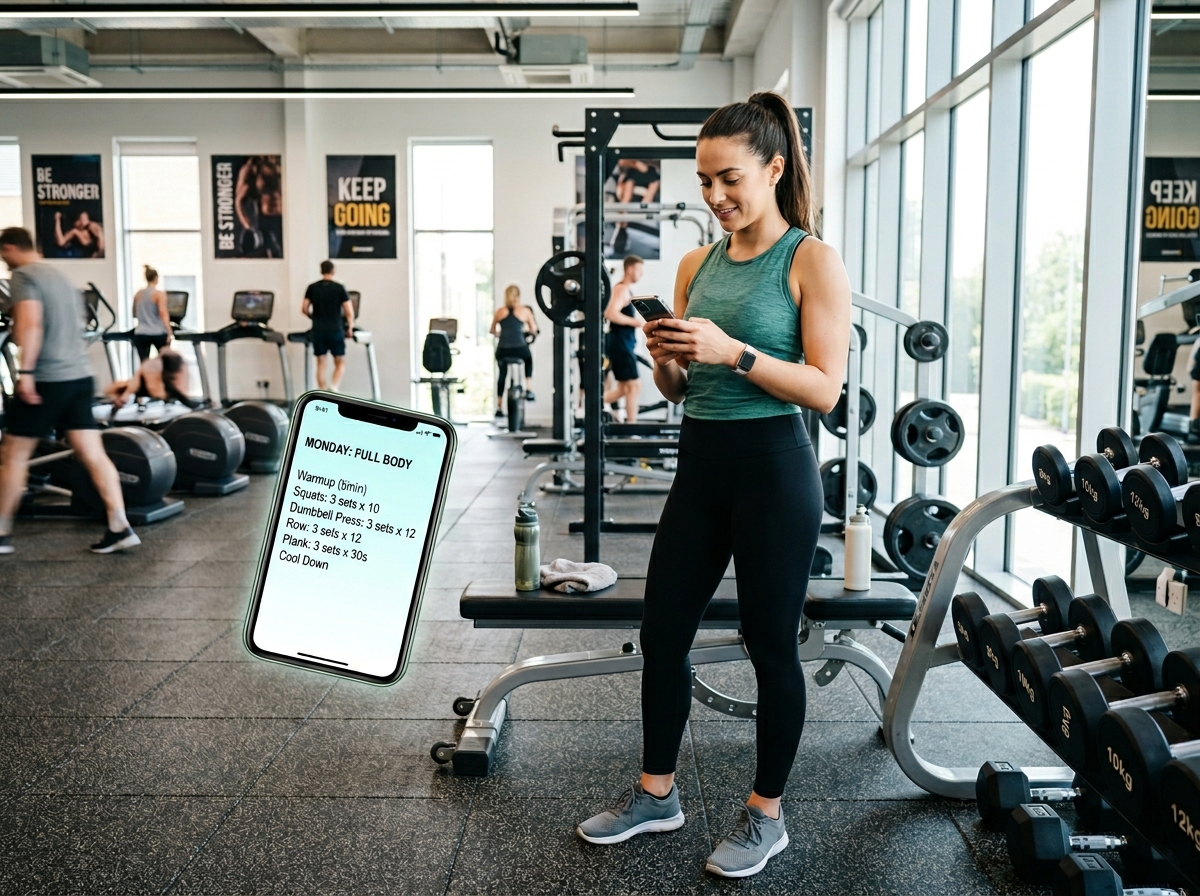
How to Start a Fitness Journey for Beginners
The best beginner fitness guide starts with realistic expectations.
Many people quit because they attempt dramatic lifestyle changes all at once.
Instead, focus on gradual improvement.
Step 1: Define Your Fitness Goals
Ask yourself:
- Do you want to lose weight?
- Build muscle?
- Improve endurance?
- Increase flexibility?
- Improve overall health?
Your goals will influence your workout and nutrition strategies.
Examples of SMART fitness goals:
- Walk 30 minutes five times per week
- Complete three strength workouts weekly
- Lose 10 pounds over three months
- Perform 10 push-ups without stopping
Step 2: Assess Your Current Fitness Level
You don’t need a professional assessment.
Simply consider:
- Current activity level
- Mobility limitations
- Previous injuries
- Available workout time
- Access to equipment
Understanding your starting point helps create realistic expectations.
Step 3: Schedule Fitness Into Your Life
Treat workouts like appointments.
Consistency improves dramatically when exercise becomes part of your calendar rather than something you “fit in later.”
For most beginners:
- 3–4 workout sessions weekly
- 20–45 minutes per session
- One or two active recovery days
provides an excellent starting point.
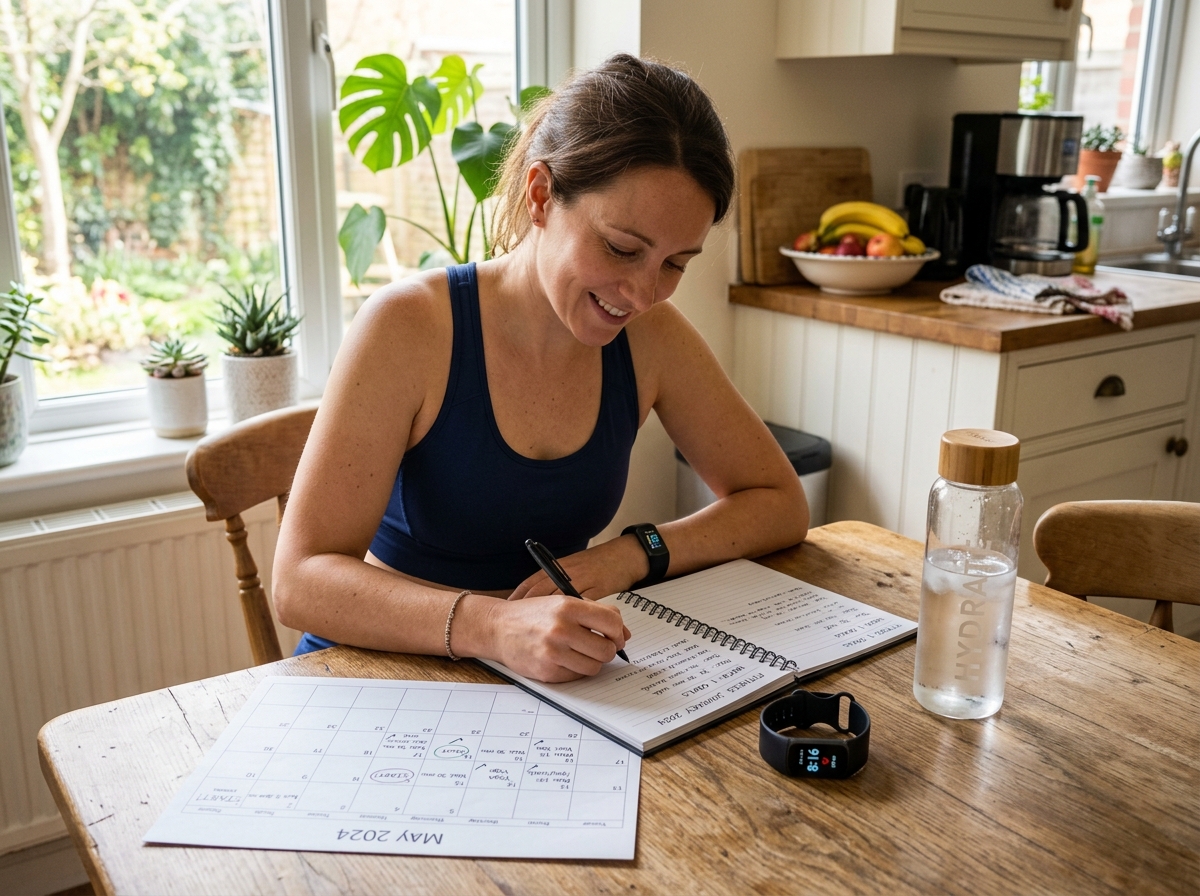
Beginner Workout Plan: Building a Strong Foundation
One of the most common questions is:
“What is the best beginner fitness routine?”
The answer is surprisingly simple.
A beginner routine should include:
- Strength training
- Cardiovascular exercise
- Flexibility work
- Recovery
Weekly Beginner Workout Schedule
Monday: Full-Body Strength Training
Exercises:
- Bodyweight squats
- Push-ups (modified if needed)
- Glute bridges
- Dumbbell rows
- Plank holds
Tuesday: Walking or Light Cardio
30–45 minutes
Wednesday: Full-Body Strength Training
Focus on proper form and technique.
Thursday: Active Recovery
- Stretching
- Yoga
- Mobility work
Friday: Full-Body Strength Training
Repeat core movements with slight progression.
Saturday: Cardio
Choose:
- Walking
- Cycling
- Swimming
- Hiking
Sunday: Rest
Recovery supports growth and adaptation.
Why Full-Body Workouts Work Best
Beginners benefit from training major muscle groups multiple times weekly.
This approach:
- Builds strength efficiently
- Improves movement patterns
- Supports weight loss
- Maximizes limited training time
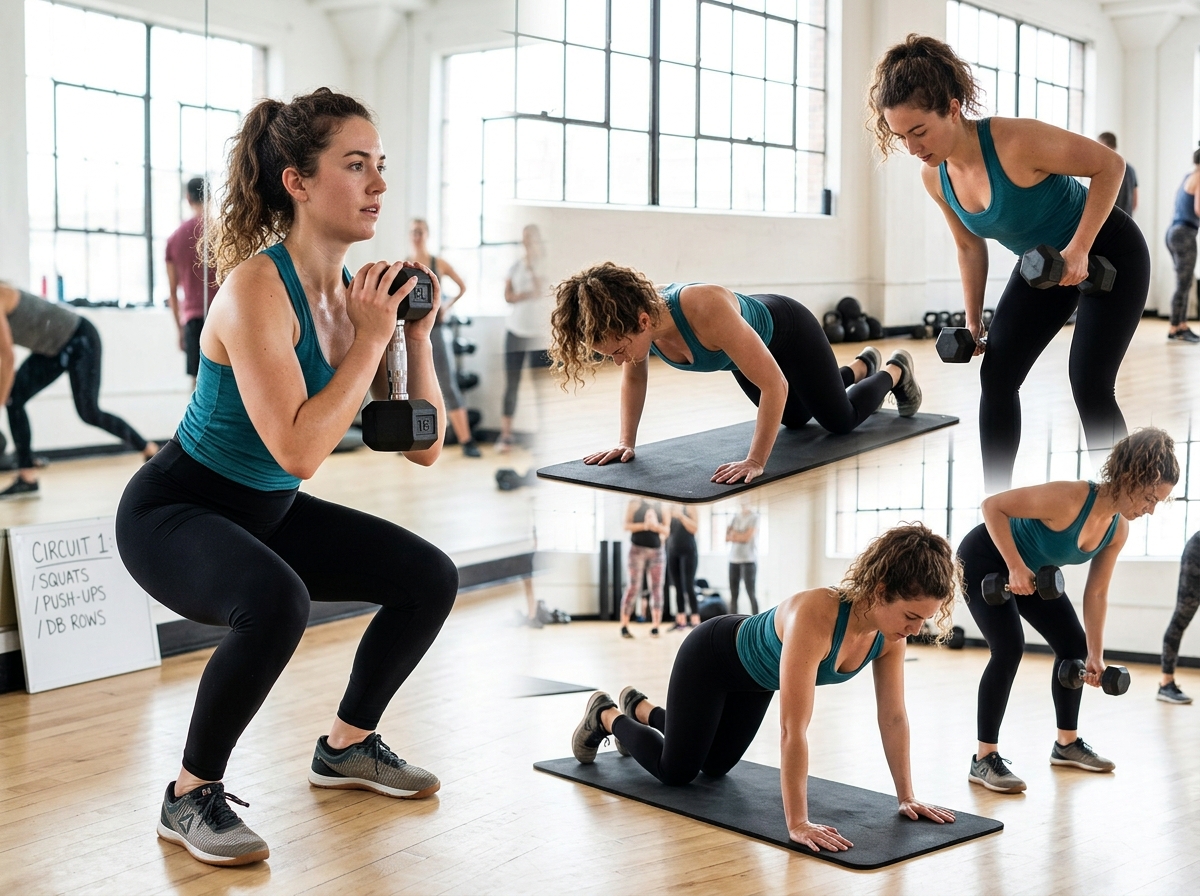
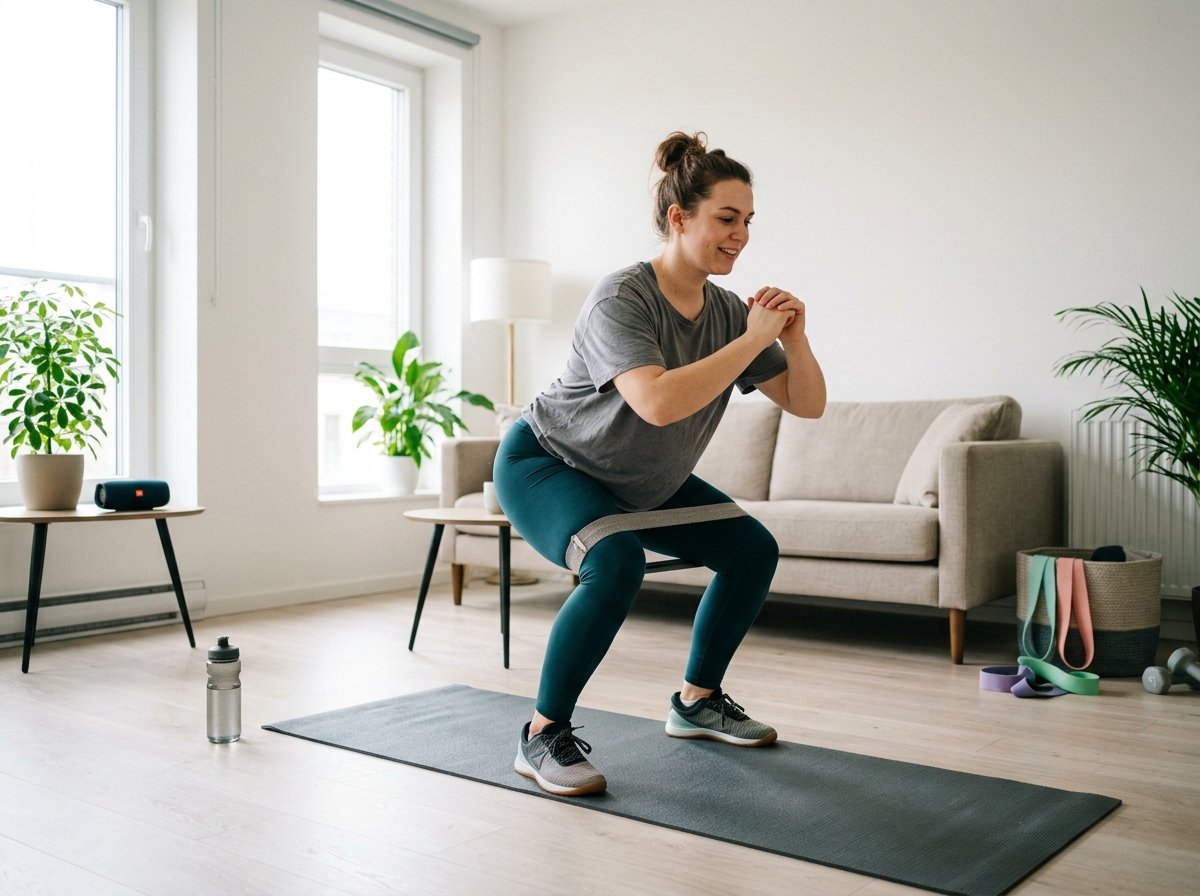
Home Workout for Beginners
Many people assume they need a gym membership to get fit.
That isn’t true.
A beginner fitness guide at home can be extremely effective.
No Equipment Workout Plan for Beginners
Perform 2–3 rounds:
- 15 bodyweight squats
- 10 wall push-ups
- 20 walking lunges
- 30-second plank
- 20 jumping jacks
- 15 glute bridges
Rest 60 seconds between rounds.
Benefits of Home Workouts
- No commute
- Lower costs
- Increased convenience
- Flexible scheduling
- Less intimidation
For busy professionals, home workouts often improve consistency.
Beginner Fitness Guide Without Gym Membership
If you don’t have equipment, focus on:
- Bodyweight exercises
- Walking
- Stair climbing
- Resistance bands
- Mobility training
You can achieve impressive results without stepping into a gym.
Beginner Strength Training Guide
Strength training is one of the most valuable tools for long-term health.
Unfortunately, many beginners avoid it because they believe it’s only for athletes or bodybuilders.
In reality, strength training benefits everyone.
Benefits of Strength Training
- Increased muscle mass
- Improved metabolism
- Better posture
- Enhanced bone health
- Increased confidence
- Reduced injury risk
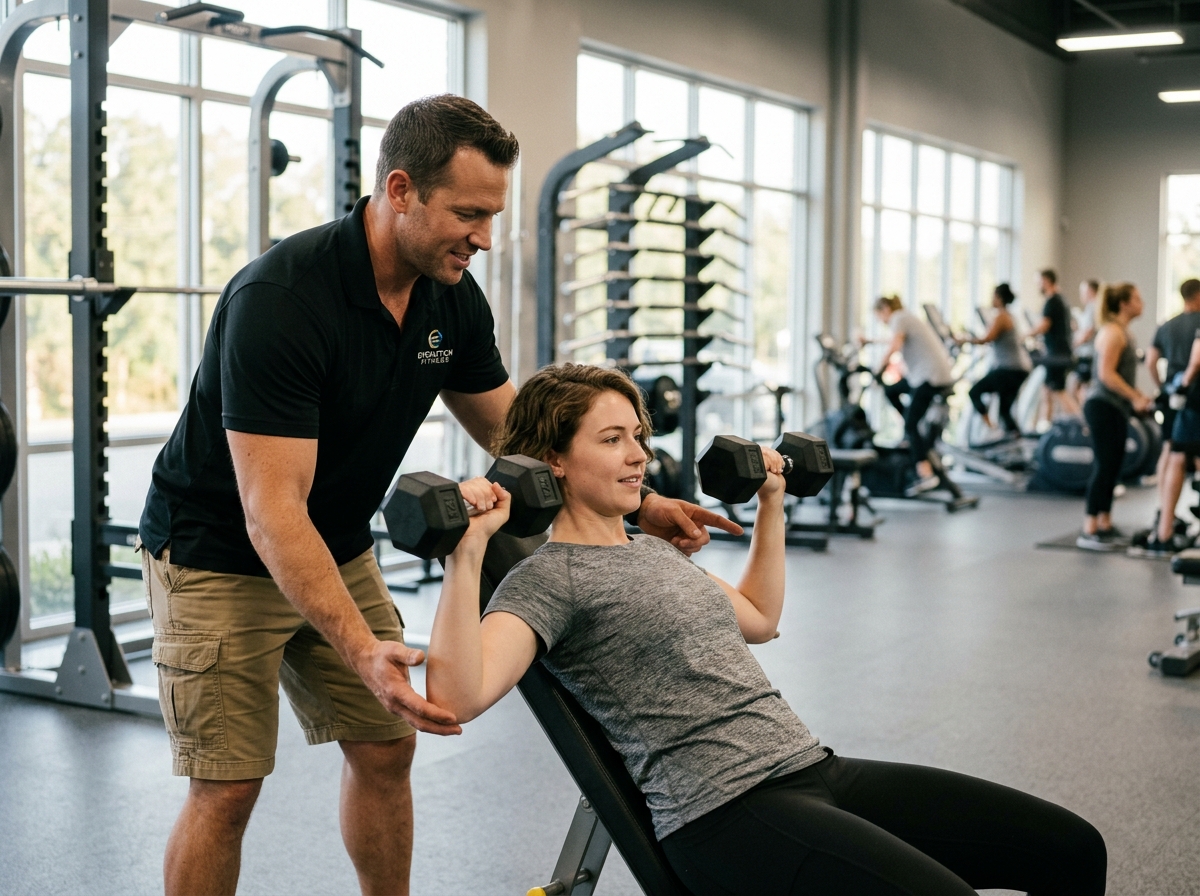
Beginner Strength Exercises
Focus on foundational movements:
Lower Body
- Squats
- Lunges
- Glute bridges
Upper Body
- Push-ups
- Dumbbell presses
- Rows
Core
- Planks
- Dead bugs
- Bird dogs
Progression Strategy
Increase gradually through:
- More repetitions
- Additional sets
- Increased resistance
- Improved technique
Progressive overload drives results.
Beginner Fitness Guide for Weight Loss
Weight loss remains one of the most common fitness goals.
However, successful weight management requires more than exercise alone.
The Calorie Balance Principle
Weight loss generally occurs when calorie expenditure exceeds calorie intake.
This doesn’t mean starvation diets.
Instead, focus on:
- Balanced nutrition
- Regular movement
- Strength training
- Adequate sleep
Best Beginner Workout for Fat Loss
Combine:
- Walking
- Strength training
- Moderate cardio
This approach supports sustainable fat loss while preserving muscle.
Avoid Extreme Approaches
Avoid:
- Crash diets
- Excessive cardio
- Detox cleanses
- Unsustainable restrictions
Long-term success comes from habits, not shortcuts.
Nutrition Basics for Beginners
No beginner fitness guide is complete without discussing nutrition.
Exercise creates the stimulus.
Nutrition supports recovery and results.
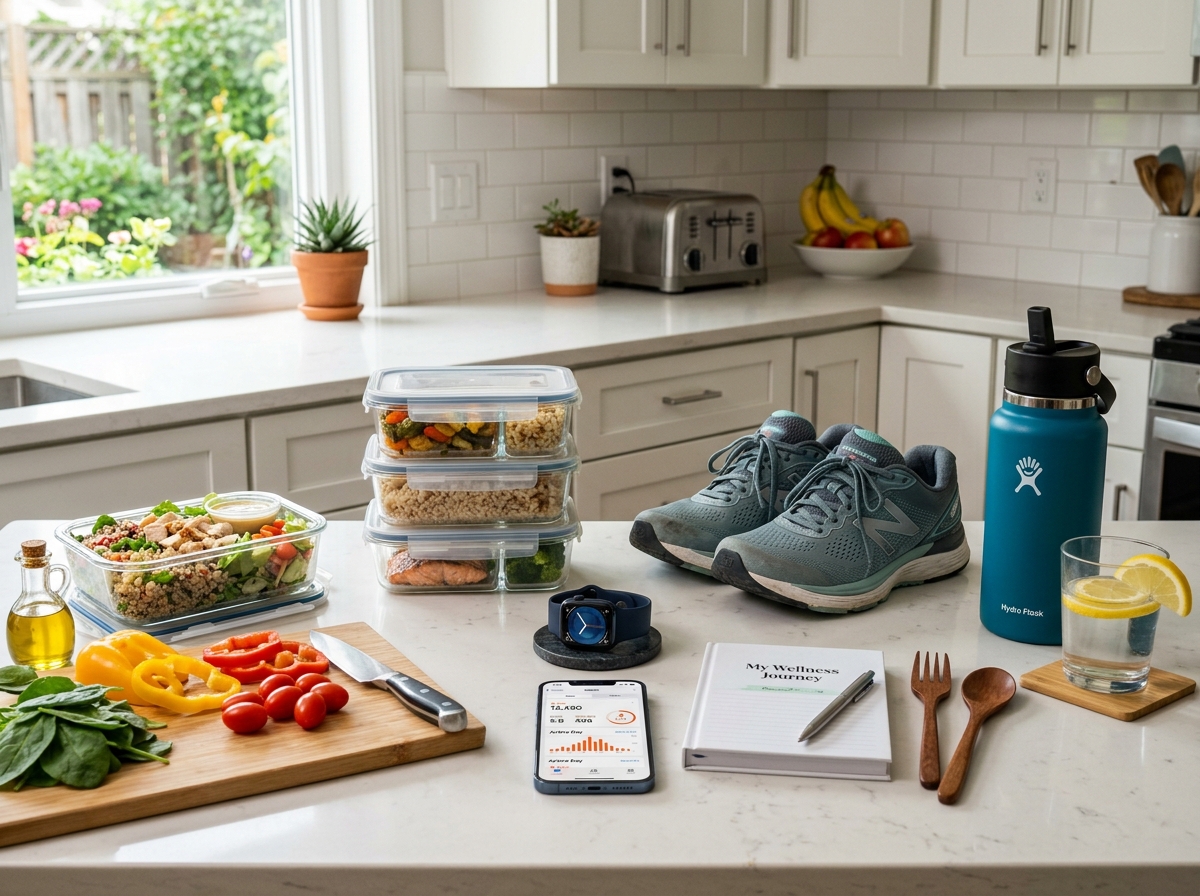
Focus on Whole Foods
Build meals around:
- Lean proteins
- Fruits
- Vegetables
- Whole grains
- Healthy fats
Prioritize Protein
Protein supports:
- Muscle repair
- Recovery
- Satiety
Common sources include:
- Chicken
- Fish
- Eggs
- Greek yogurt
- Tofu
- Beans
Hydration Matters
Many people underestimate hydration.
Aim to drink water consistently throughout the day.
Practical Nutrition Habits
- Eat slowly
- Plan meals ahead
- Limit ultra-processed foods
- Include vegetables at most meals
- Avoid liquid calories when possible

Recovery and Rest: The Missing Piece
Beginners often think more exercise always equals better results.
Recovery tells a different story.
Your body adapts during recovery periods.
Recovery Essentials
Sleep
Aim for 7–9 hours nightly.
Stress Management
Chronic stress can impact recovery and motivation.
Strategies include:
- Walking
- Meditation
- Reading
- Journaling
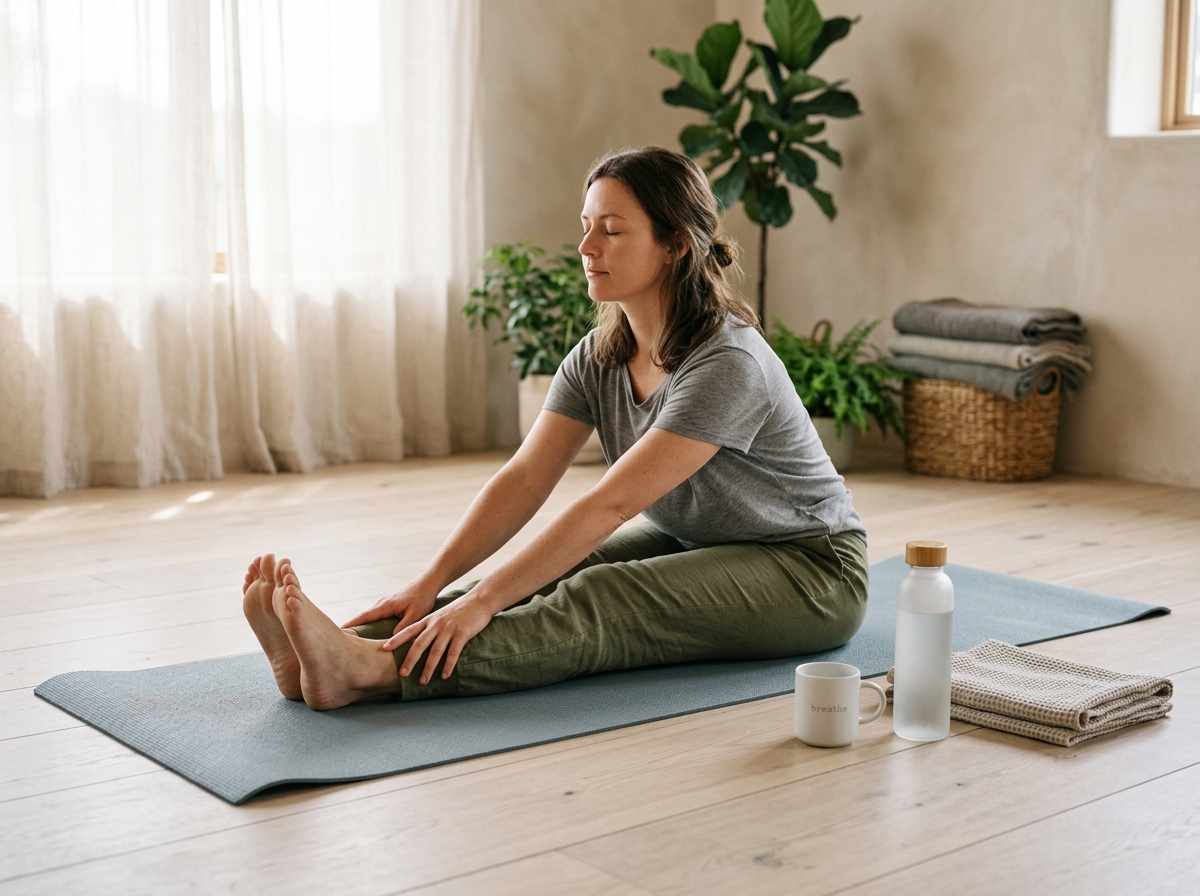
Active Recovery
Examples:
- Light stretching
- Yoga
- Easy walking
Signs You Need More Recovery
- Persistent fatigue
- Reduced performance
- Soreness lasting several days
- Lack of motivation
Rest is productive.
Common Beginner Fitness Mistakes
Doing Too Much Too Soon
Enthusiasm is valuable.
Overtraining is not.
Comparing Yourself to Others
Focus on your own progress.
Ignoring Nutrition
Workouts alone rarely overcome poor dietary habits.
Skipping Strength Training
Strength training should be part of nearly every beginner program.
Expecting Immediate Results
Fitness is a long-term process.
Patience matters.
Following Every Trend
Stick to proven fundamentals.
Consistency beats complexity.
How to Stay Motivated as a Fitness Beginner
Motivation naturally fluctuates.
Habits create lasting success.
Build Identity-Based Habits
Instead of saying:
“I want to lose weight.”
Say:
“I am becoming a healthy and active person.”
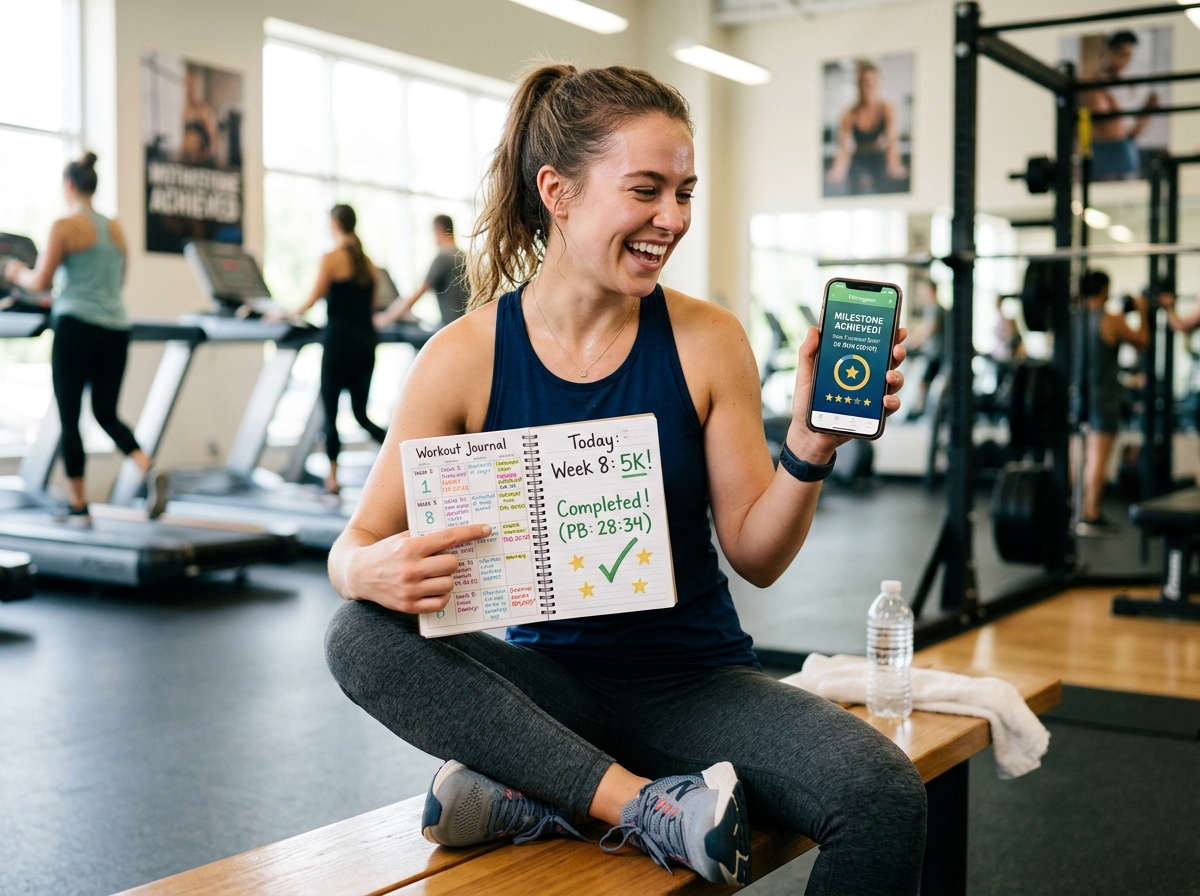
Track Progress
Monitor:
- Workouts completed
- Steps taken
- Strength improvements
- Energy levels
- Sleep quality
Celebrate Small Wins
Examples:
- Completing your first week
- Adding extra reps
- Walking farther
These milestones reinforce consistency.
Find Activities You Enjoy
Fitness should not feel like punishment.
Experiment with:
- Walking
- Cycling
- Swimming
- Strength training
- Group classes
- Hiking
Enjoyment improves adherence.
FAQ Section
What is the best beginner fitness routine?
The best beginner fitness routine combines strength training, cardiovascular exercise, flexibility work, and adequate recovery. A balanced schedule of three strength workouts and two cardio sessions weekly is an effective starting point.
How many days should beginners work out?
Most beginners benefit from exercising three to five days per week. This allows enough training stimulus while providing sufficient recovery time.
Can beginners work out every day?
Yes, but intensity should vary. Daily movement is healthy, though strenuous workouts should be balanced with recovery activities such as walking, stretching, or yoga.
What exercises should beginners do first?
Beginners should focus on foundational exercises including squats, push-ups, lunges, planks, and rows. These movements build strength, coordination, and confidence.
Is a gym membership necessary for beginners?
No. Many successful fitness journeys begin with bodyweight exercises, walking, and home workouts. Consistency matters more than location.
How long should beginner workouts last?
Most beginner workouts can be highly effective within 20 to 45 minutes. Quality and consistency are more important than duration.
How can overweight beginners start exercising safely?
Start with low-impact activities such as walking, swimming, cycling, and bodyweight exercises. Gradually increase intensity as fitness improves.
What should beginners eat when starting a fitness plan?
Focus on whole foods, lean proteins, fruits, vegetables, healthy fats, and whole grains while maintaining consistent hydration.
How long does it take to see fitness results?
Many beginners notice increased energy and improved mood within a few weeks. Visible physical changes often become noticeable after several weeks or months of consistent effort.
How do beginners stay motivated to work out?
Set realistic goals, track progress, celebrate small wins, create routines, and choose enjoyable activities. Long-term success comes from habits rather than motivation alone.
Wellness Disclaimer
This article is for educational and informational purposes only and should not be considered medical advice. Consult a qualified healthcare professional before beginning any new exercise program, particularly if you have existing health conditions, injuries, or medical concerns.
Conclusion
Starting a fitness journey does not require perfection, expensive equipment, or extreme lifestyle changes. The most successful beginner fitness plans are built on simple, sustainable habits that can be maintained for years rather than weeks.
By focusing on strength training, cardiovascular fitness, balanced nutrition, proper recovery, and realistic goal setting, beginners can establish a solid foundation for lifelong health and wellness. Remember that progress is rarely linear. Some days will feel easier than others, but consistency always outperforms perfection.
At Retro Living Today, we encourage readers to approach fitness as a long-term investment in their health, confidence, and quality of life. Start where you are, use the resources available to you, and focus on becoming slightly better each day.