
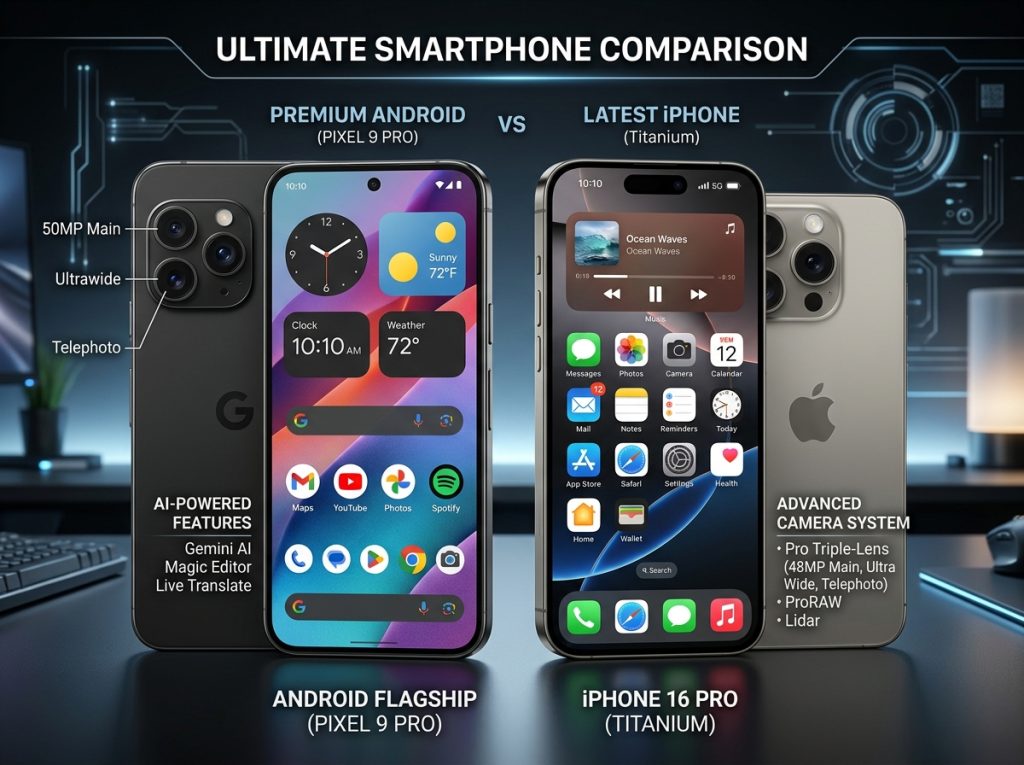
The debate surrounding Android vs iPhone has existed for well over a decade, and yet it remains one of the most searched technology comparisons online. Whether you’re buying your first smartphone, upgrading from an older device, or considering switching ecosystems entirely, choosing between Android and iPhone can feel overwhelming.
Today’s smartphones are far more than communication devices. They serve as cameras, gaming consoles, productivity tools, entertainment centers, payment wallets, navigation systems, and increasingly, AI-powered assistants. As a result, selecting the right platform affects your daily experience more than ever before.
While Apple’s iPhone lineup offers a tightly integrated ecosystem, strong privacy controls, and long-term software support, Android provides unmatched variety, flexibility, customization, and price options. Both platforms have evolved significantly, making the decision less about which is objectively better and more about which best aligns with your needs.
At Retro Living Today, we believe technology decisions should be practical rather than based on brand loyalty. This comprehensive guide examines every major aspect of the Android vs iPhone comparison, helping you make an informed choice based on real-world use rather than marketing claims.
By the end of this guide, you’ll understand exactly where each platform excels, where it falls short, and which users benefit most from choosing Android or iPhone in 2026.
Understanding Android and iPhone
Before comparing features, it’s important to understand what separates these platforms.
Android is an operating system developed by the Google and used by numerous manufacturers including Samsung, Google, OnePlus, Xiaomi, and many others.
The iPhone, meanwhile, is produced exclusively by Apple and runs Apple’s proprietary iOS operating system.
This difference creates two very distinct ecosystems:
Android Ecosystem
- Multiple manufacturers
- Wide pricing range
- Extensive customization
- Open platform approach
- Diverse hardware options
iPhone Ecosystem
- Single manufacturer
- Consistent user experience
- Tight hardware and software integration
- Strong ecosystem connectivity
- Long software support lifecycle
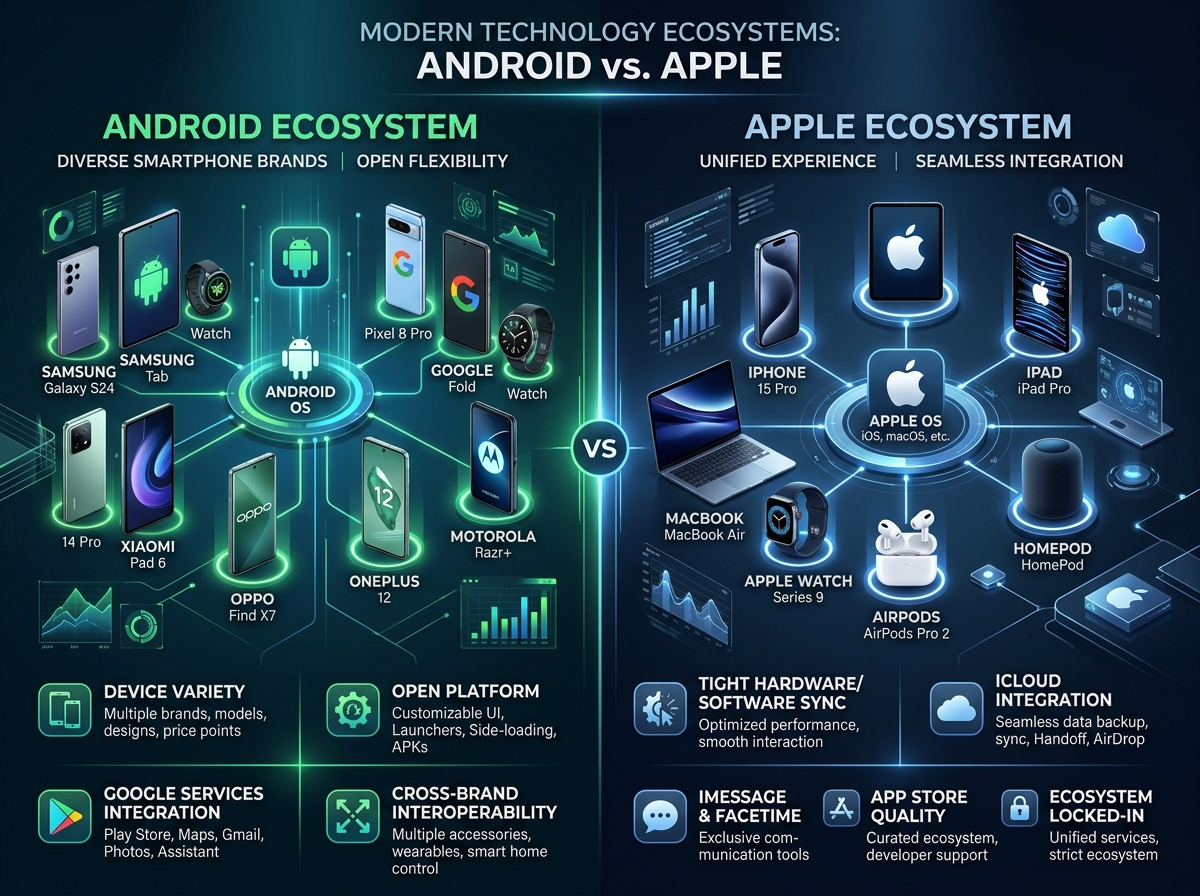
Android vs iPhone Performance Comparison
Performance is often one of the biggest deciding factors when purchasing a smartphone.
iPhone Performance
Apple designs both its hardware and software, allowing for deep optimization.
Advantages include:
- Smooth animations
- Consistent app performance
- Excellent video processing
- Efficient power management
- Industry-leading benchmark results
Because Apple controls the entire ecosystem, developers often optimize applications for iPhones first.
Android Performance
Android performance varies significantly depending on the device.
Premium models such as:
- Samsung Galaxy Ultra series
- Google Pixel Pro series
- OnePlus flagship devices
offer performance that rivals or exceeds many iPhones in specific scenarios.
Advantages include:
- More RAM options
- Better multitasking
- Gaming-focused hardware
- Advanced cooling systems
Verdict
For raw consistency and optimization, iPhone remains slightly ahead.
For power users and multitaskers who want flexibility, Android often provides more advanced hardware options.
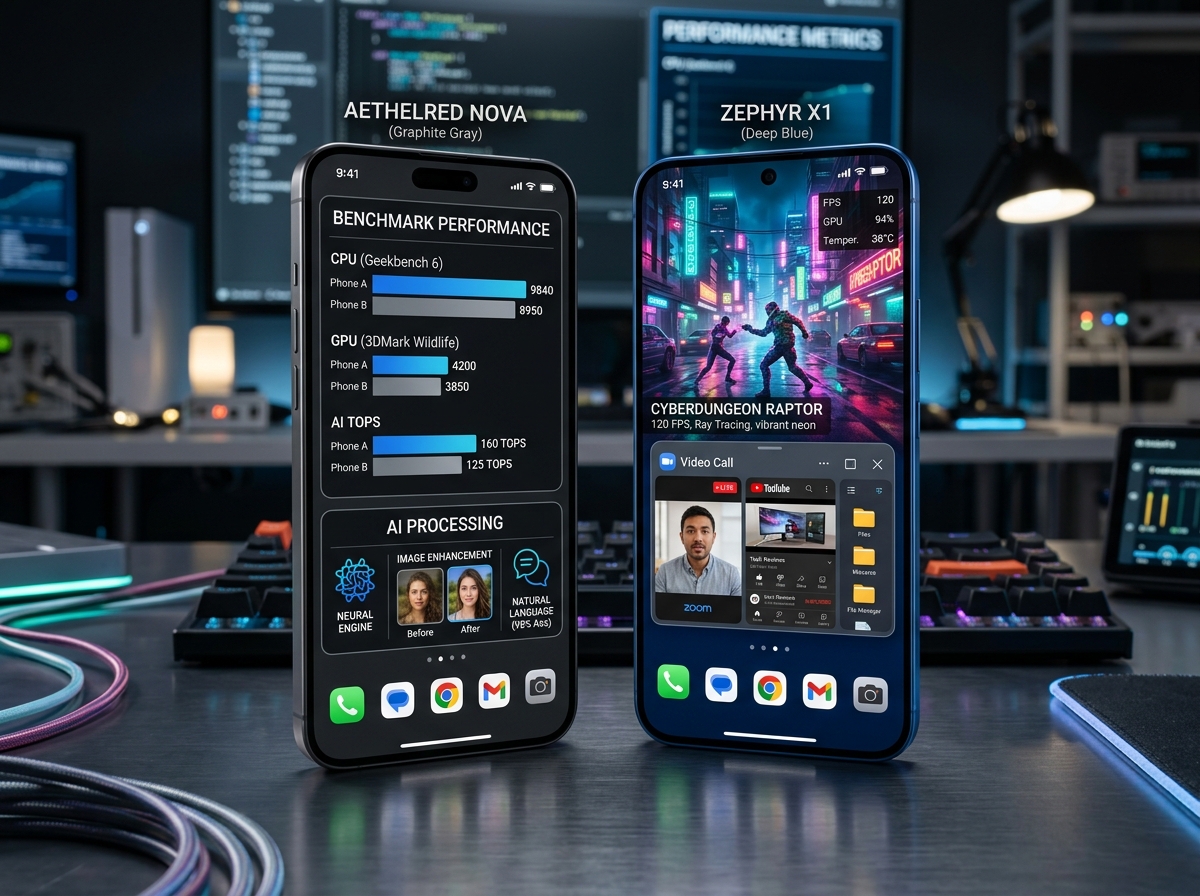
Android vs iPhone Camera Comparison
Camera quality remains one of the most influential purchasing factors.
iPhone Cameras
iPhones are known for:
- Reliable image processing
- Natural colors
- Excellent video quality
- Superior social media optimization
- Consistent results in various conditions
Many content creators prefer iPhones because apps such as Instagram and TikTok are often optimized for iOS.
Android Cameras
Android manufacturers frequently push camera innovation faster.
Examples include:
Samsung Galaxy Ultra
Overview
Samsung focuses on zoom capabilities and advanced photography tools.
Key Features
- High-resolution sensors
- AI photo enhancements
- Exceptional zoom performance
- Advanced manual controls
Advantages
- Outstanding versatility
- Powerful night photography
- Superior zoom capabilities
Limitations
- Processing styles can appear aggressive
Best For
Photography enthusiasts and travelers.
Verdict
One of the most versatile smartphone camera systems available.
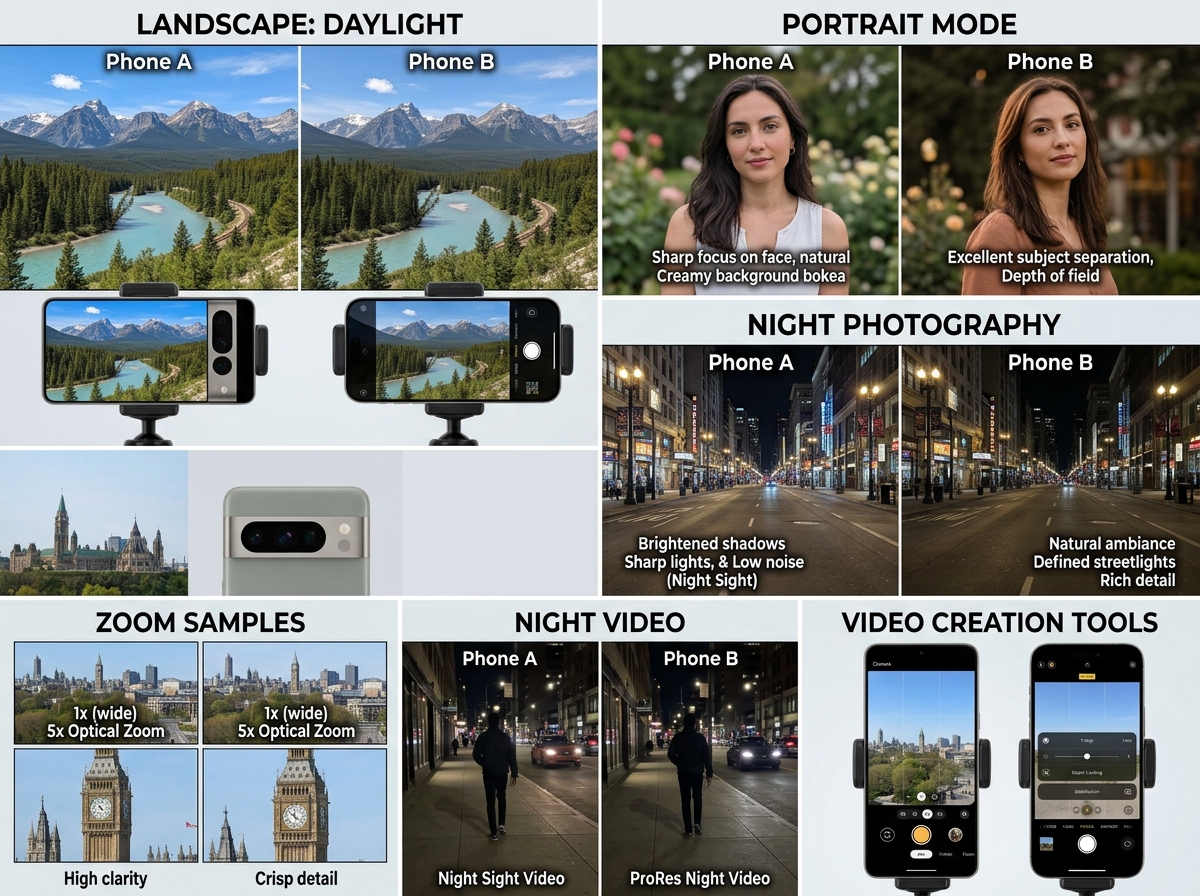
Google Pixel
Overview
Google’s Pixel lineup emphasizes computational photography.
Key Features
- AI image enhancement
- Industry-leading photo processing
- Realistic color reproduction
- Advanced editing tools
Advantages
- Exceptional point-and-shoot photography
- Consistent image quality
Limitations
- Video performance still trails top iPhones in some scenarios
Best For
Users who prioritize photography over manual camera controls.
Verdict
Among the best smartphone cameras for everyday users.
Verdict
- Best video: iPhone
- Best photography innovation: Android
- Best zoom: Samsung Galaxy Ultra
- Best point-and-shoot images: Google Pixel
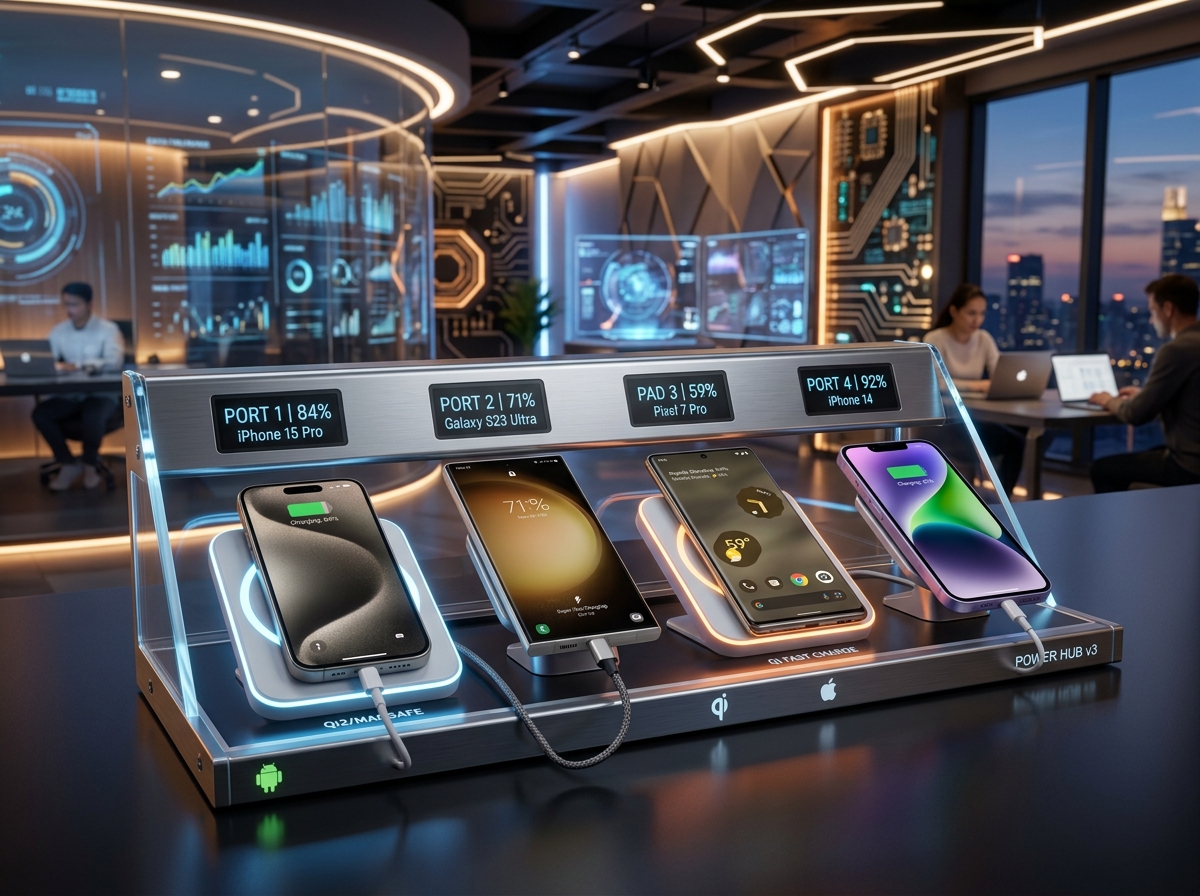
Android vs iPhone Battery Life and Charging
Battery performance has improved dramatically across both platforms.
iPhone Battery Strengths
- Efficient chipsets
- Excellent standby performance
- Optimized battery management
- Reliable daily endurance
Android Battery Strengths
- Larger batteries
- Faster charging
- Reverse wireless charging
- Greater hardware variety
Many flagship Android phones now offer charging speeds that dramatically outperform iPhones.
Charging Comparison
| Feature | Android | iPhone |
|---|---|---|
| Fast Charging | Excellent | Good |
| Wireless Charging | Excellent | Excellent |
| Reverse Charging | Available | Limited |
| Battery Optimization | Very Good | Excellent |
Verdict
Android generally wins charging speed.
iPhone typically wins efficiency.
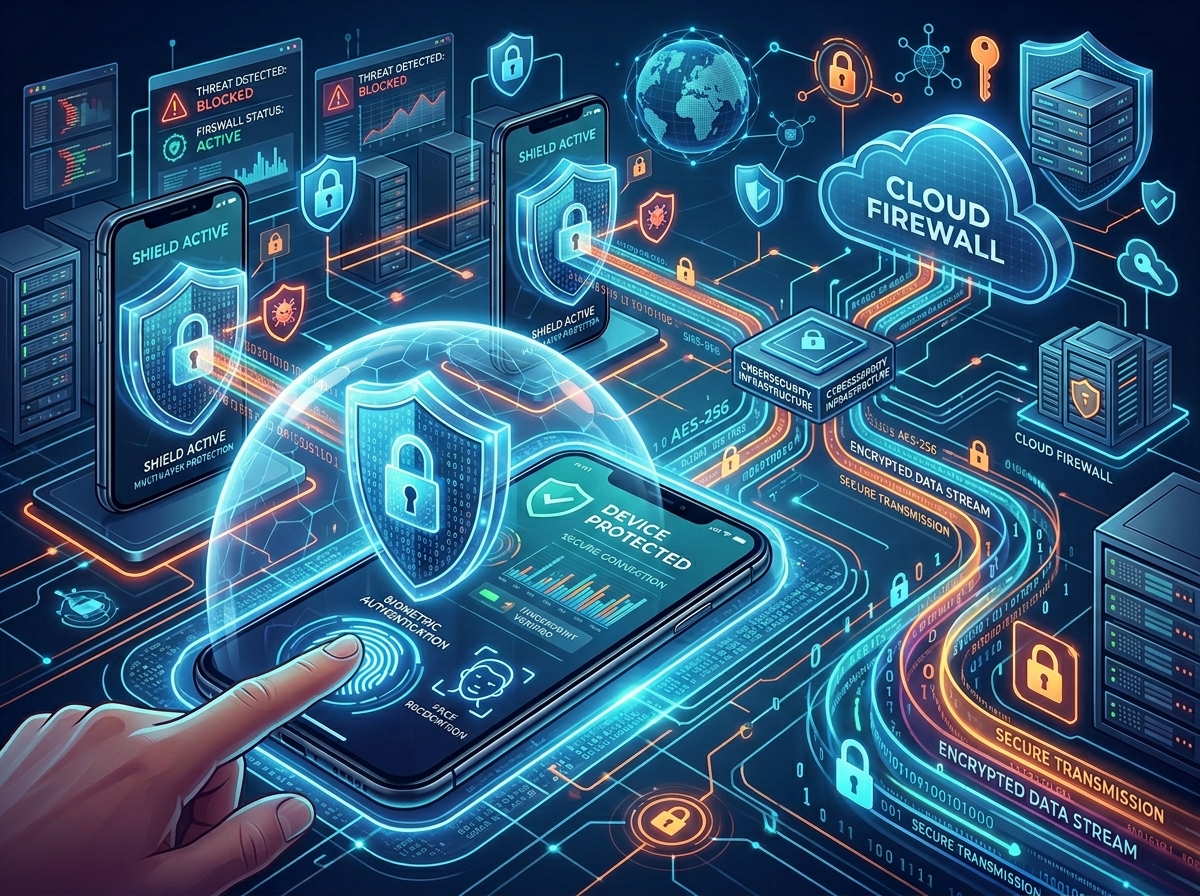
Android vs iPhone Security and Privacy
Security is often a deciding factor for professionals and business users.
iPhone Security Advantages
- Controlled App Store
- Rapid updates
- Privacy-focused permissions
- Device encryption
Apple heavily markets privacy as a core feature.
Android Security Advantages
Android has improved significantly through:
- Google Play Protect
- Advanced security patches
- Enhanced biometric authentication
- AI-powered threat detection
Privacy Comparison
Apple generally collects less user data for advertising purposes.
Android offers strong privacy controls but remains more closely tied to Google’s advertising ecosystem.
Verdict
For privacy-focused users, iPhone often has the advantage.
For users who want granular controls and flexibility, Android remains highly competitive.
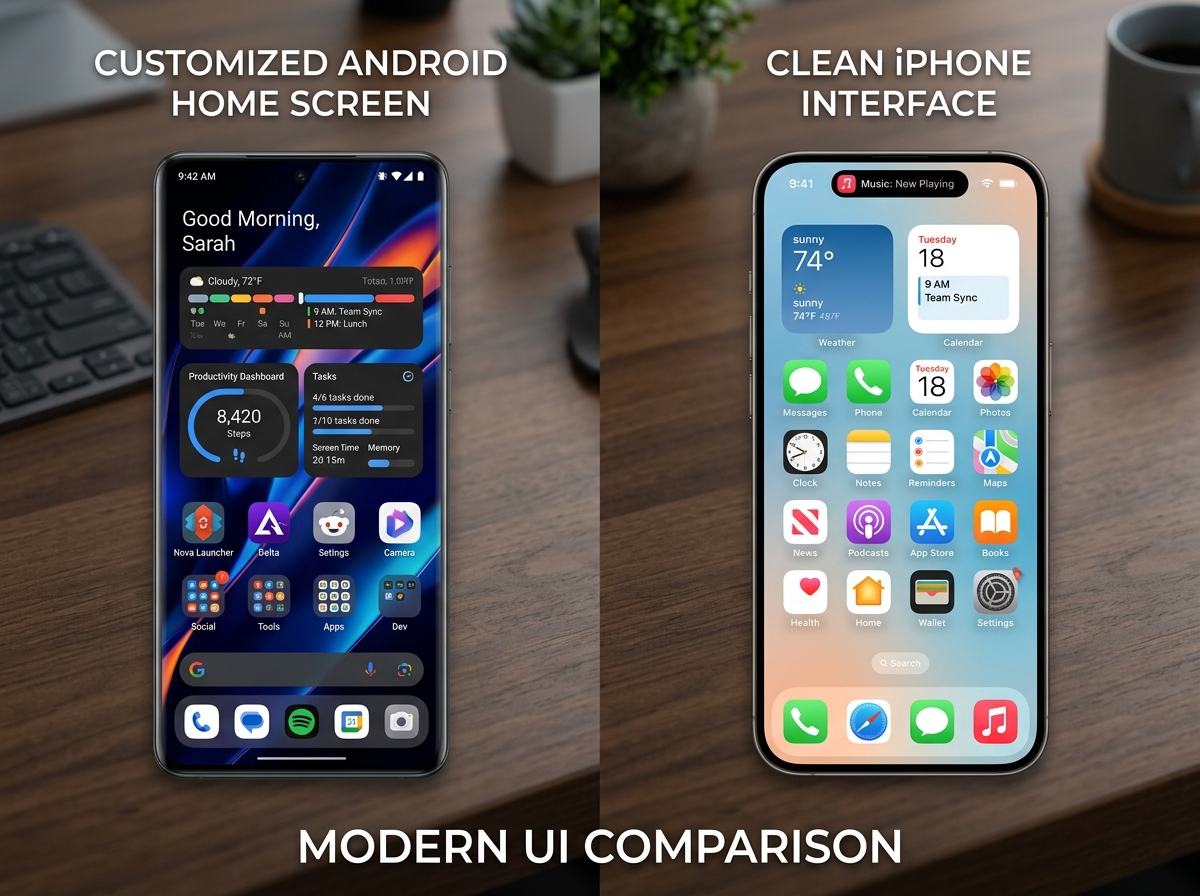
Android vs iPhone Customization
This is where Android has historically dominated.
Android Customization Features
- Custom launchers
- Widgets
- Themes
- Icon packs
- Side-loading apps
- Automation tools
Users can extensively personalize nearly every aspect of the experience.
iPhone Customization Features
Apple has improved customization through:
- Widgets
- Lock screen customization
- App icon changes
- Focus modes
However, customization remains more limited than Android.
Verdict
Android wins decisively.
Users who enjoy personalization will likely prefer Android.
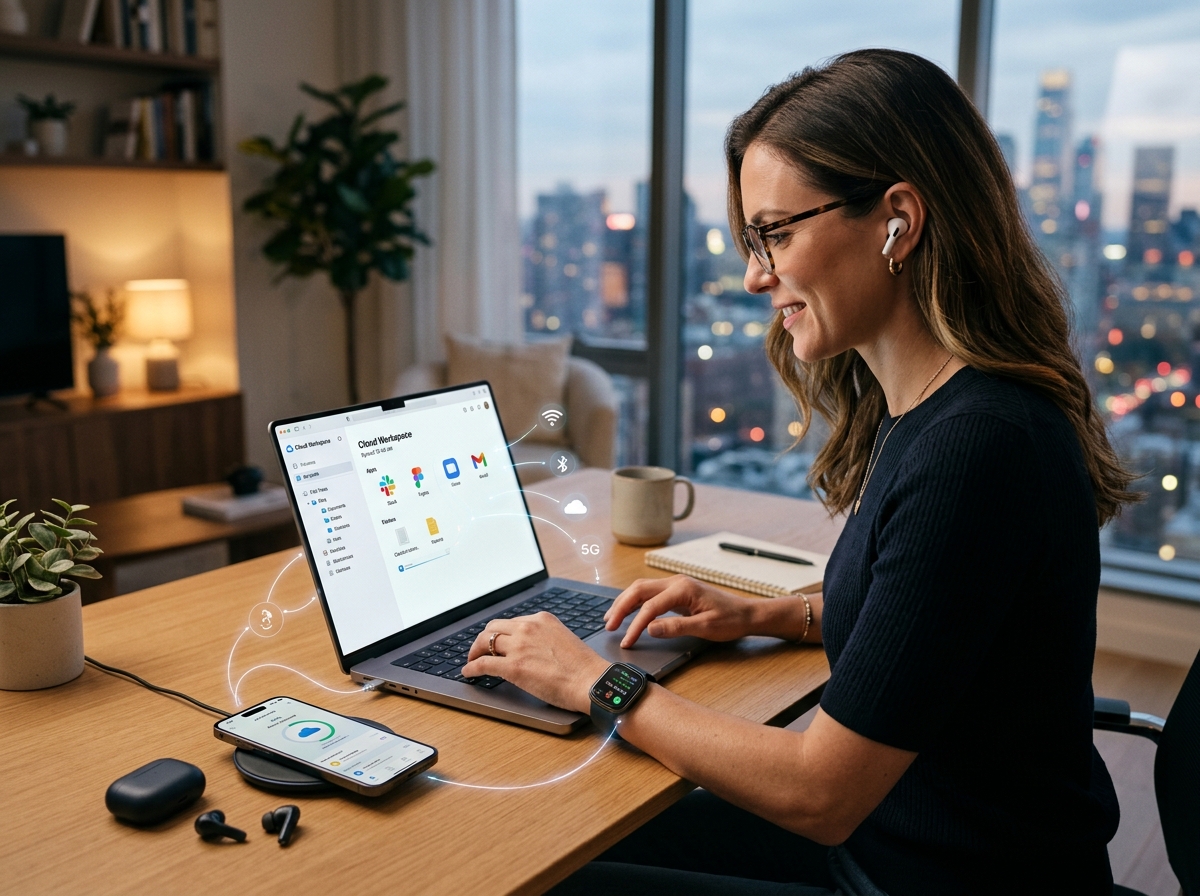
Android vs iPhone Ecosystem Comparison
The ecosystem may be the single most important factor.
Apple’s Ecosystem
Key products include:
- iPhone
- iPad
- Mac
- Apple Watch
- AirPods
Benefits:
- Seamless syncing
- AirDrop
- Universal Clipboard
- Handoff
- Shared messaging
Android Ecosystem
Android’s ecosystem is broader but less unified.
Advantages include:
- Greater hardware choice
- Cross-platform compatibility
- Integration with Windows PCs
- More affordable accessories
Verdict
Apple offers the most polished ecosystem experience.
Android offers greater flexibility
.
Android vs iPhone for Different Users
Android vs iPhone for Students
Android is often ideal because:
- More affordable options
- Wider device selection
- Strong productivity features
Android vs iPhone for Business Users
iPhone excels due to:
- Security
- Reliability
- Consistent updates
Android vs iPhone for Gamers
High-end Android phones often provide:
- Gaming modes
- Advanced cooling
- Higher refresh rates
Android vs iPhone for Content Creators
iPhone remains a favorite because:
- Superior video recording
- Social media optimization
- Reliable app performance
Android vs iPhone for Seniors
iPhone’s simplified experience can be easier for many users, though Android manufacturers increasingly offer accessibility-focused interfaces.
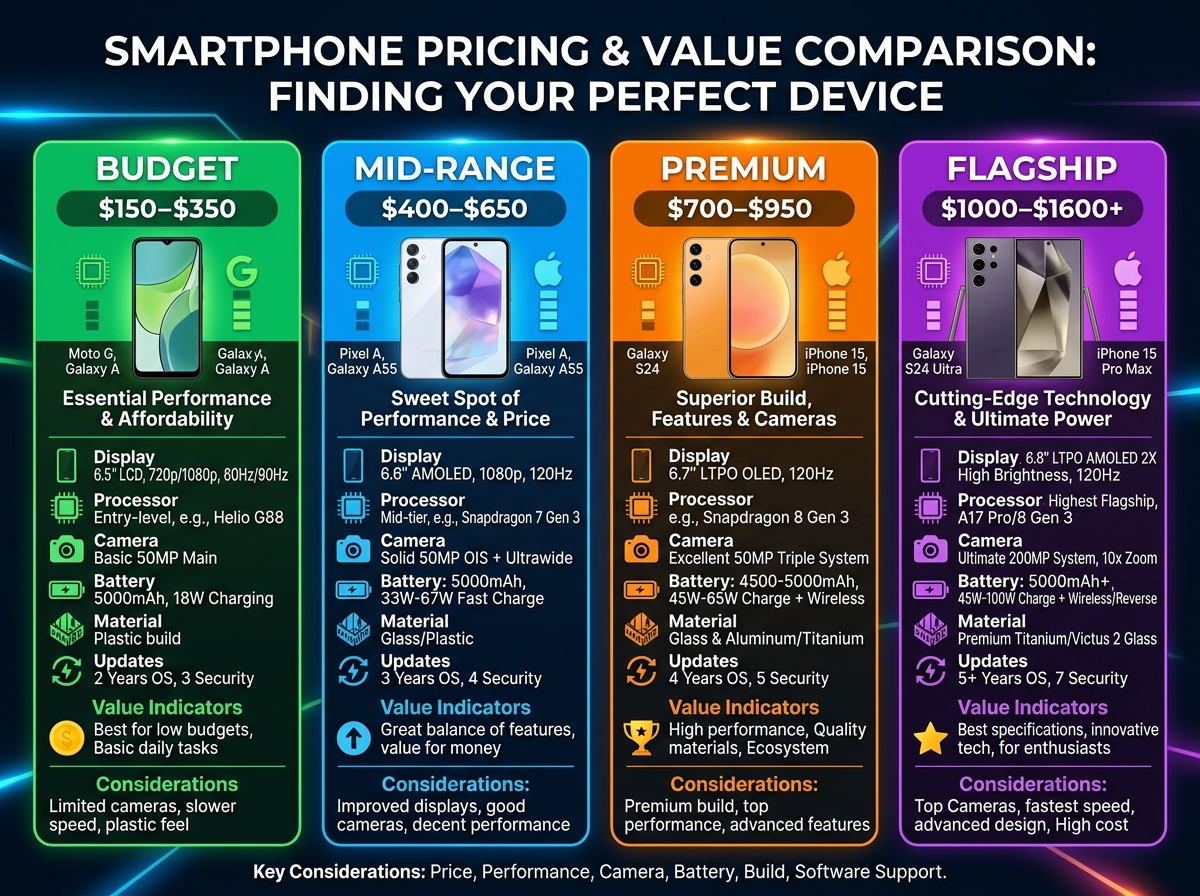
Android vs iPhone Price and Value
Pricing remains one of Android’s biggest advantages.
Android Options
Available from:
- Budget devices
- Mid-range models
- Premium flagships
- Foldable phones
iPhone Pricing
Apple generally focuses on:
- Mid-range premium devices
- High-end flagship models
Value Perspective
Android provides more choices.
iPhone often retains resale value better.
Verdict
Budget-conscious buyers usually benefit from Android.
Long-term value seekers may appreciate iPhone’s resale strength.
Frequently Asked Questions
Which is better, Android or iPhone in 2026?
Neither platform is universally better. Android offers flexibility and customization, while iPhone delivers a more integrated ecosystem and strong privacy protections.
Is Android cheaper than iPhone?
Generally, yes. Android devices are available across nearly every price range, while iPhones tend to focus on premium market segments.
Which phone has a better camera, Android or iPhone?
It depends on the model. iPhones excel at video recording, while devices like the Samsung Galaxy Ultra and Google Pixel often lead in photography innovation.
Which phone is better for gaming?
High-end Android devices frequently offer gaming-specific features and higher refresh rates, though iPhones provide exceptional gaming performance through optimized hardware and software.
Is iPhone more secure than Android?
Apple’s closed ecosystem provides strong security advantages, but Android has made significant improvements and remains highly secure when properly maintained.
Which phone lasts longer?
iPhones often receive software updates for longer periods. However, premium Android devices increasingly offer extended support policies.
Is Android better for customization?
Yes. Android remains the leader in personalization, offering launchers, themes, widgets, automation, and app flexibility.
Which is better for students?
Android often offers better value because of the wide range of affordable devices available.
Should I switch from Android to iPhone?
If you value simplicity, ecosystem integration, and privacy, switching may be worthwhile. However, Android users who enjoy customization may miss that flexibility.
What is the biggest difference between Android and iPhone?
The biggest difference is philosophy. Android prioritizes flexibility and choice, while iPhone prioritizes consistency and integration.
Conclusion
The Android vs iPhone debate continues because both platforms are exceptionally capable. The right choice ultimately depends on your priorities, budget, and preferred user experience.
Choose Android if you value customization, hardware variety, innovation, gaming features, and flexible pricing. Android’s open ecosystem makes it attractive to enthusiasts and users who want greater control over their devices.
Choose iPhone if you prioritize long-term software support, ecosystem integration, privacy, reliability, and a polished user experience. Apple’s approach remains one of the most seamless in consumer technology.
For most users, there is no wrong answer. Both ecosystems have matured to the point where everyday tasks are handled exceptionally well. The best smartphone is the one that fits your lifestyle, budget, and technology preferences.
At Retro Living Today, we recommend focusing less on brand loyalty and more on how a device supports your daily needs. Explore our technology guides, buying advice, and comparison articles to make smarter purchasing decisions in an increasingly connected world.