
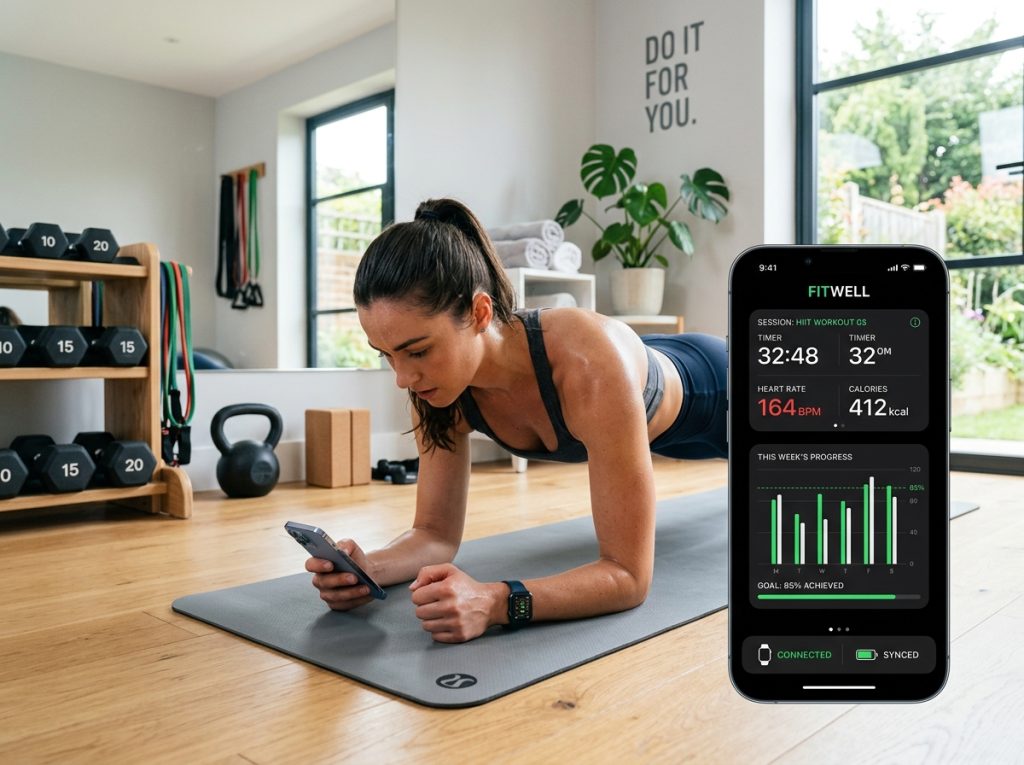
Fitness technology has transformed how people exercise, track progress, and maintain healthy lifestyles. What once required a personal trainer, gym membership, and paper workout journal can now be managed through a single smartphone app.
The best fitness apps do far more than count steps. They provide personalized workout plans, nutrition guidance, recovery recommendations, progress tracking, and motivational coaching. Whether you’re trying to lose weight, build muscle, improve cardiovascular health, or simply stay active, today’s fitness apps offer solutions tailored to virtually every goal.
As fitness technology continues to evolve in 2026, consumers face an overwhelming number of choices. Some apps specialize in home workouts, while others focus on strength training, running, yoga, or overall wellness. Many now incorporate artificial intelligence, wearable integrations, and adaptive coaching systems that create increasingly personalized fitness experiences.
At Retro Living Today, we believe technology should simplify healthy living rather than complicate it. This guide evaluates the best fitness apps available today, helping you identify which platform aligns with your goals, experience level, and budget.
Whether you’re a complete beginner seeking structured guidance or an experienced athlete looking for advanced analytics, this comprehensive review covers everything you need to know before downloading your next fitness companion.
Why Fitness Apps Have Become Essential for Modern Health
The popularity of fitness apps continues to grow because they solve several common challenges that prevent people from maintaining consistent exercise habits.
Many individuals struggle with motivation, workout planning, accountability, and progress tracking. Fitness apps address these issues by providing structured programs, reminders, educational content, and measurable milestones.
Modern fitness apps also offer:
- Personalized workout recommendations
- Real-time performance tracking
- Progress visualization
- Goal setting tools
- Community support
- Nutrition integration
- Wearable device synchronization
- On-demand coaching
For many users, these features create a level of convenience and consistency that traditional fitness approaches cannot match.
What Makes a Great Fitness App?
Before reviewing specific platforms, it’s important to understand the qualities that separate excellent fitness apps from mediocre ones.
Key factors include:
- Ease of use
- Workout quality
- Personalization
- Progress tracking
- Device compatibility
- Pricing transparency
- Coaching quality
- Community features
- Scientific credibility
- Long-term engagement
The best fitness apps combine these elements while remaining accessible to users with varying experience levels.
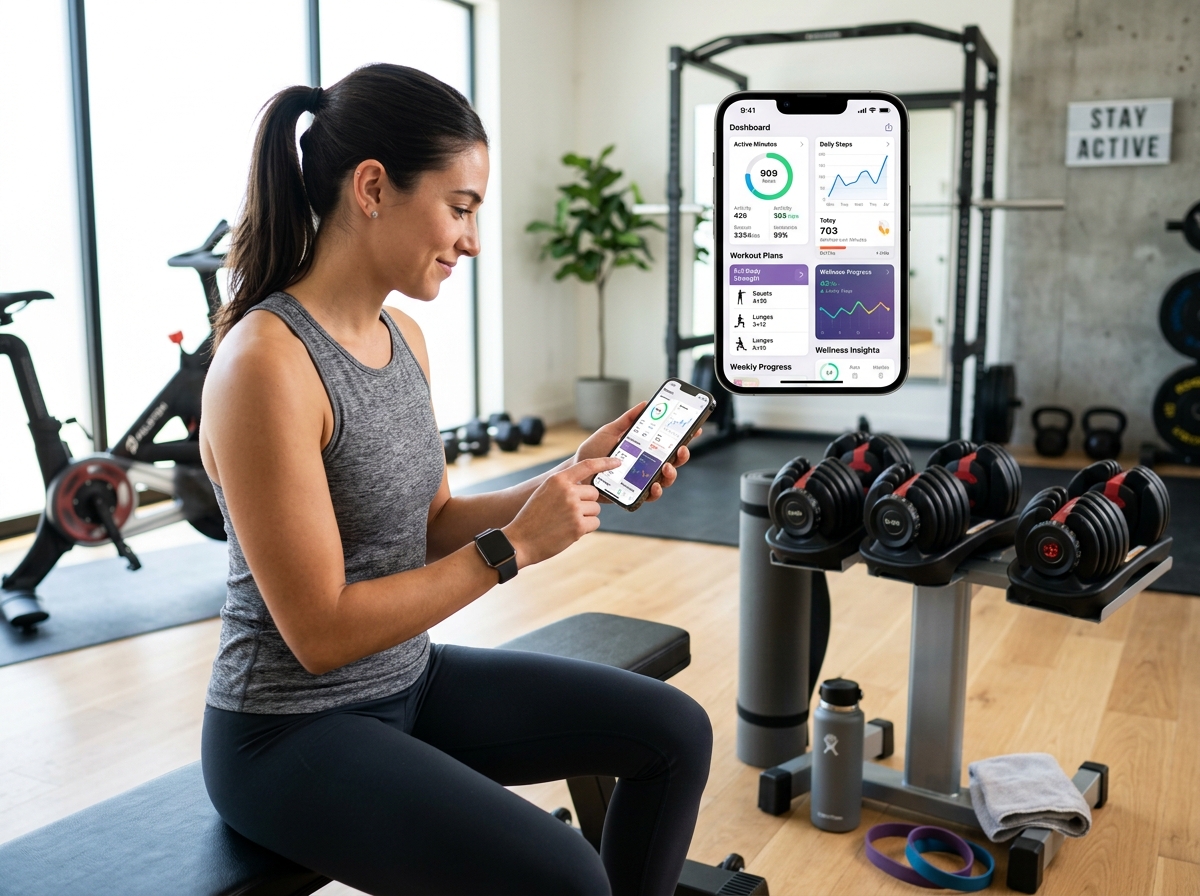
Top Fitness Apps Worth Using in 2026
Nike Training Club
Overview
Nike Training Club remains one of the strongest free fitness apps available. Developed by the global athletic brand, it provides hundreds of professionally designed workouts ranging from beginner routines to advanced athletic training.
Key Features
- Strength workouts
- HIIT programs
- Yoga sessions
- Mobility training
- Guided wellness content
- Trainer-led video instruction
Best Use Cases
- Home workouts
- Beginner fitness programs
- General health improvement
- No-equipment training
Advantages
- Large free content library
- Professional instruction
- Easy navigation
- Excellent video quality
Limitations
- Limited advanced analytics
- Less customized than some competitors
Who It Is Best For
Beginners and intermediate users seeking free, high-quality workout guidance.
Verdict
Nike Training Club offers exceptional value and remains one of the best free fitness apps available.
MyFitnessPal
Overview
MyFitnessPal continues to dominate nutrition and calorie tracking while expanding its fitness ecosystem.
Key Features
- Food logging
- Barcode scanning
- Calorie tracking
- Macronutrient monitoring
- Workout tracking
- Health app integrations
Best Use Cases
- Weight loss
- Nutrition management
- Lifestyle tracking
Advantages
- Massive food database
- Detailed nutrition insights
- Excellent integrations
Limitations
- Premium features locked behind subscription
Who It Is Best For
Individuals focused on weight management and nutrition.
Verdict
One of the most comprehensive fitness and nutrition tracking platforms available.
Strava
Overview
Strava is widely considered the gold standard for runners and cyclists.
Key Features
- GPS tracking
- Route planning
- Performance analytics
- Community challenges
- Social fitness networking
Best Use Cases
- Running
- Cycling
- Endurance sports
Advantages
- Excellent activity tracking
- Strong community engagement
- Advanced performance metrics
Limitations
- Limited strength training support
Who It Is Best For
Outdoor fitness enthusiasts and endurance athletes.
Verdict
A must-have app for runners and cyclists seeking data-driven improvement.
Fitbod
Overview
Fitbod uses artificial intelligence to create personalized strength training programs.
Key Features
- AI workout generation
- Recovery tracking
- Exercise recommendations
- Strength progression analysis
Best Use Cases
- Gym workouts
- Muscle building
- Strength training
Advantages
- Highly personalized
- Excellent exercise database
- Adaptive programming
Limitations
- Subscription required
Who It Is Best For
Gym-goers seeking customized workout plans.
Verdict
One of the best gym workout apps for serious strength training.
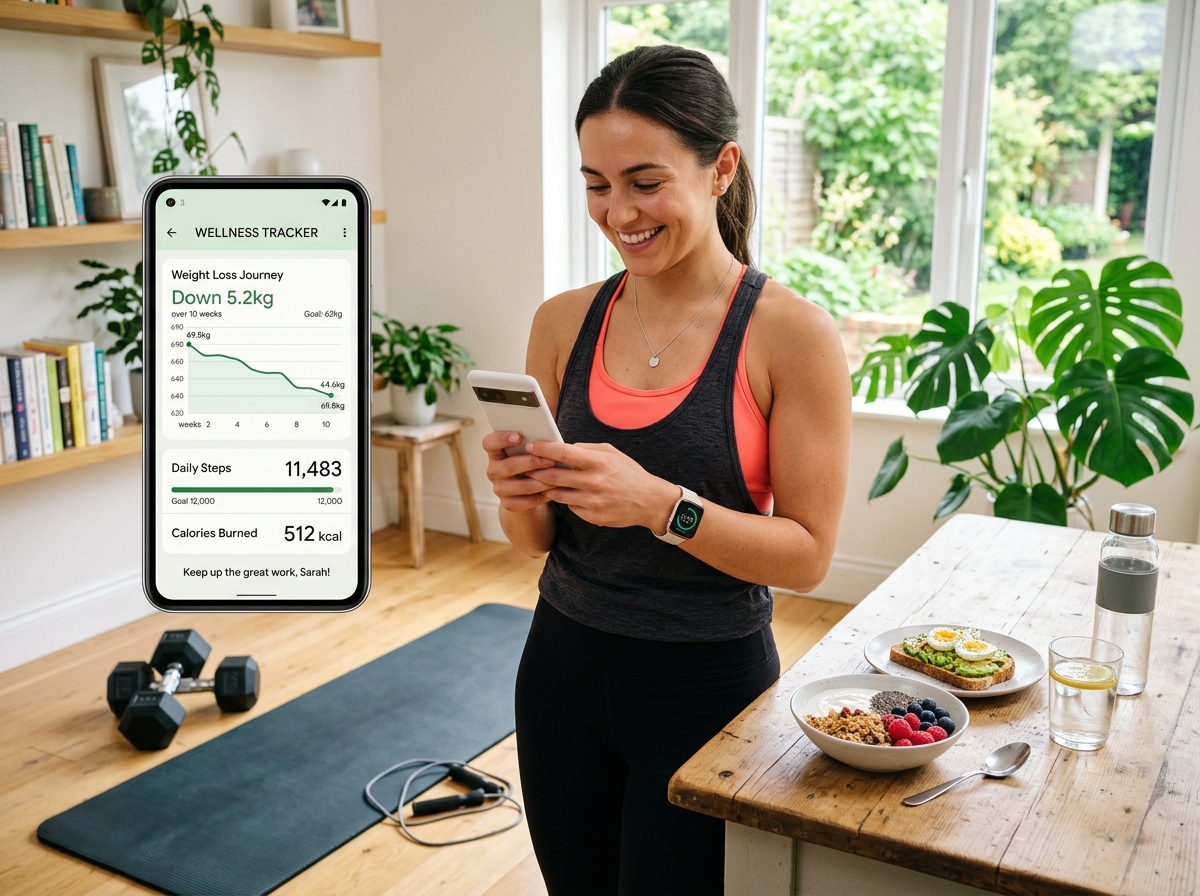
Best Fitness Apps for Weight Loss
Weight loss remains one of the most common reasons people search for fitness apps.
Successful weight loss apps combine:
- Exercise guidance
- Nutrition tracking
- Habit building
- Progress monitoring
- Accountability systems
Recommended options include:
MyFitnessPal
Excellent calorie management and nutrition awareness.
Noom
Behavior-focused weight loss coaching.
Lose It!
Simple calorie tracking and goal management.
Fitbit App
Strong integration between activity monitoring and weight management.
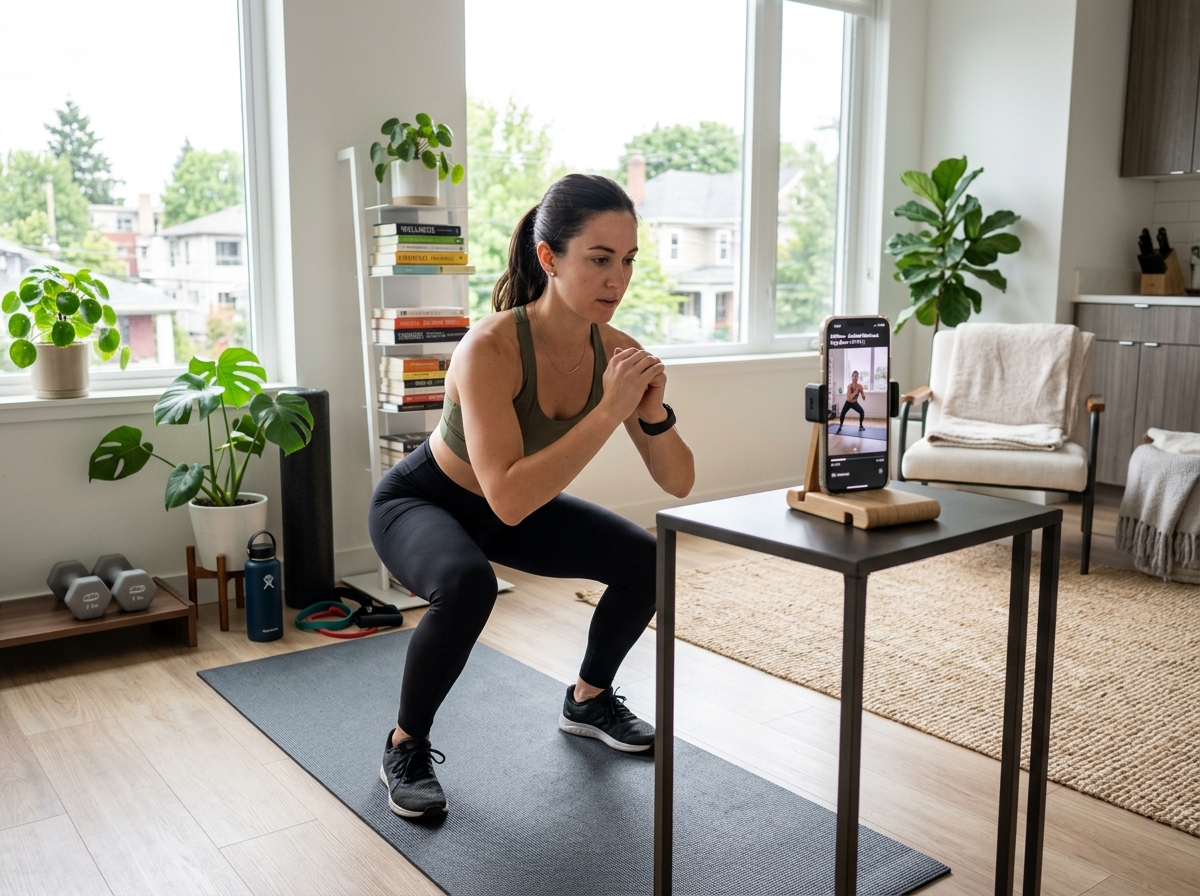
Best Fitness Apps for Home Workouts
Home workouts continue to gain popularity due to convenience and affordability.
Top home workout apps include:
Nike Training Club
Comprehensive home exercise library.
Apple Fitness+
Excellent guided workouts for Apple users.
Sweat
Popular among women seeking structured fitness plans.
Centr
Holistic fitness platform combining workouts, nutrition, and wellness.
Home Workout Benefits
- No commuting
- Flexible scheduling
- Lower costs
- Greater privacy
- Family-friendly options
Best Fitness Apps for Strength Training
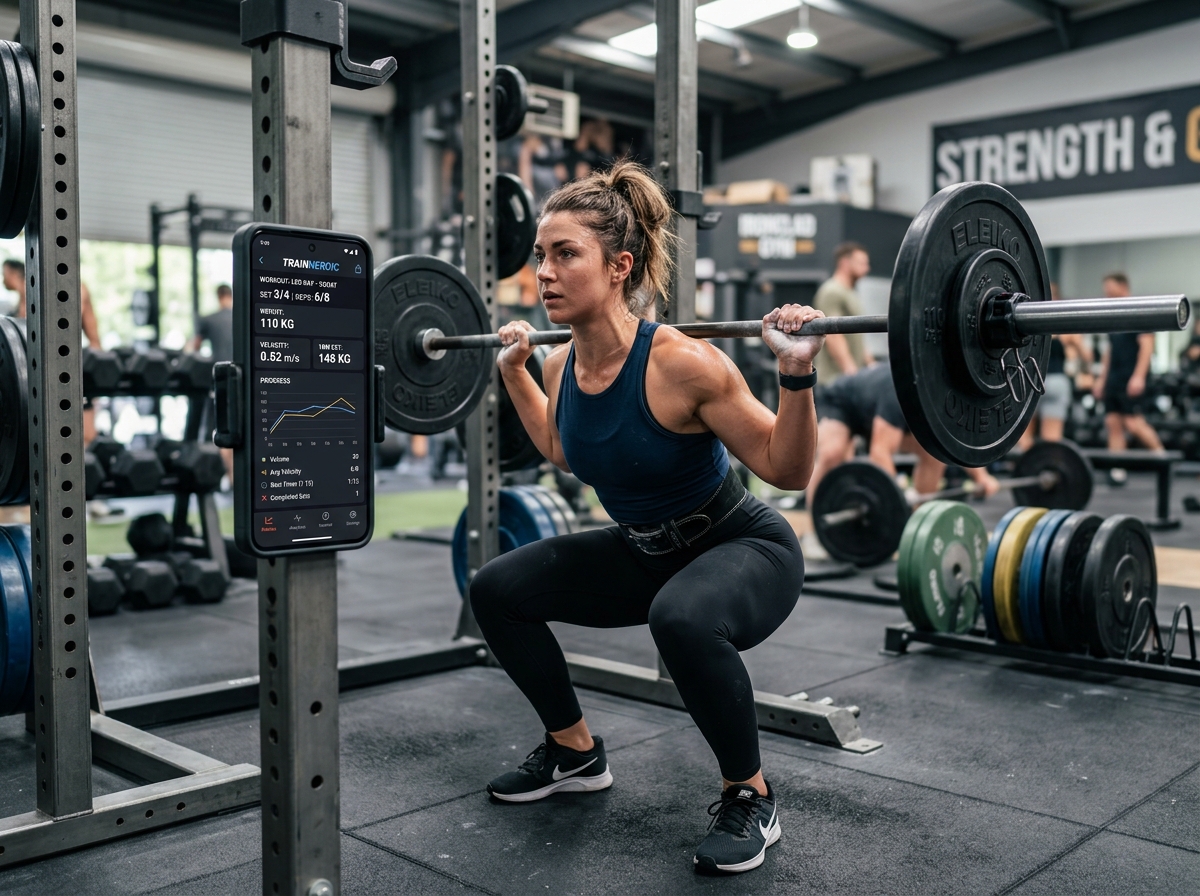
Strength training has become increasingly important for overall health, longevity, and body composition.
Fitbod
AI-powered gym programming.
Strong
Excellent workout logging and progression tracking.
JEFIT
Comprehensive strength-training database.
Alpha Progression
Evidence-based workout programming.
What Strength Training Apps Should Include
- Exercise demonstrations
- Progressive overload tracking
- Recovery management
- Workout history
- Volume analysis
Best Fitness Apps for Beginners
Starting a fitness journey can feel overwhelming.
The best beginner fitness apps simplify the process through:
- Guided onboarding
- Easy-to-follow workouts
- Educational content
- Flexible schedules
- Progress tracking
Recommended beginner options:
Nike Training Club
Outstanding free content.
FitOn
Large workout library.
Apple Fitness+
Friendly and accessible instruction.
BetterMe
Habit-focused coaching.
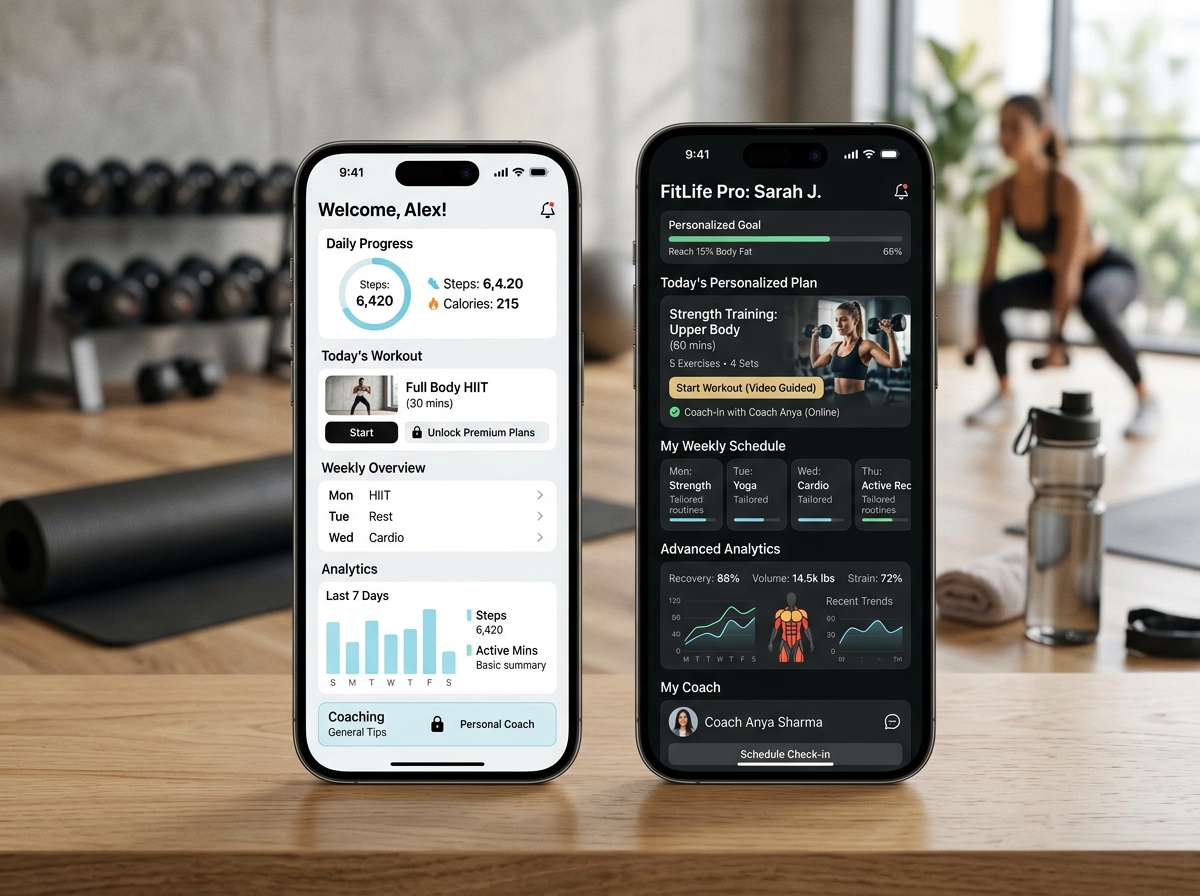
Free Fitness Apps vs Premium Fitness Apps
Many users ask whether premium subscriptions are worth paying for.
Free Fitness Apps
Benefits:
- No financial commitment
- Easy to test
- Good for beginners
Drawbacks:
- Limited personalization
- Fewer advanced features
- Reduced coaching support
Premium Fitness Apps
Benefits:
- Customized programs
- Advanced analytics
- Expert coaching
- Additional integrations
Drawbacks:
- Monthly cost
- Subscription fatigue
For most users, free apps provide enough functionality to begin building healthier habits.
How to Choose the Best Fitness App for Your Goals
Before downloading any fitness app, consider:
Your Primary Goal
Are you trying to:
- Lose weight?
- Build muscle?
- Improve endurance?
- Increase mobility?
- Track overall health?
Your Preferred Workout Style
- Home workouts
- Gym workouts
- Running
- Cycling
- Yoga
- HIIT
Budget
Determine whether free options meet your needs before committing to subscriptions.
Device Compatibility
Ensure the app integrates with:
- Smartwatches
- Fitness trackers
- Heart-rate monitors
- Health platforms
At Retro Living Today, we recommend starting with one app and using it consistently for at least 30 days before evaluating alternatives.
Frequently Asked Questions
What are the best fitness apps for beginners?
Nike Training Club, FitOn, BetterMe, and Apple Fitness+ are among the best options because they provide guided workouts and beginner-friendly instruction.
What is the best free fitness app in 2026?
Nike Training Club remains one of the strongest free fitness apps due to its extensive workout library and professional coaching content.
Which fitness app is best for weight loss?
MyFitnessPal, Noom, Fitbit, and Lose It! are excellent choices because they combine activity tracking with nutrition management.
What fitness app helps build muscle fastest?
Fitbod, Strong, and JEFIT are popular among strength-training enthusiasts due to their workout planning and progression tracking features.
Are premium fitness apps worth paying for?
Premium subscriptions can provide advanced analytics, personalized plans, and coaching support, making them valuable for users with specific goals.
Which fitness app is best for home workouts?
Nike Training Club, Apple Fitness+, Sweat, and Centr offer excellent home workout experiences.
What fitness app works best with smartwatches?
Fitbit, Apple Fitness+, Strava, and MyFitnessPal provide strong wearable integration and health tracking capabilities.
Can fitness apps replace personal trainers?
For many users, fitness apps provide sufficient guidance. However, individuals with specialized needs may still benefit from professional coaching.
Which workout app is best for gym users?
Fitbod, Strong, and JEFIT are among the top gym workout apps due to their strength-training focus and exercise tracking capabilities.
What fitness app tracks workouts most accurately?
Apps like Strava, Fitbit, and Apple Fitness+ are highly regarded for tracking accuracy when paired with compatible wearable devices.
Wellness Disclaimer
This article is intended for educational and informational purposes only. Fitness apps can support healthy habits, but they are not substitutes for professional medical advice, diagnosis, or treatment. Consult qualified healthcare professionals before beginning any new exercise program.
Conclusion
Finding the best fitness app ultimately depends on your goals, lifestyle, and preferred workout style. Whether you’re looking for a free home workout solution, a comprehensive weight-loss platform, an AI-powered strength training coach, or an advanced endurance tracking tool, today’s fitness technology offers more choices than ever before.
The most effective fitness app is the one you’ll use consistently. Rather than chasing every new trend, focus on selecting a platform that supports your goals, fits your budget, and integrates seamlessly into your daily routine.
At Retro Living Today, we encourage readers to view fitness technology as a tool that enhances healthy habits not a replacement for them. Explore related wellness, technology, and buying guide content to continue building a healthier, more balanced lifestyle.