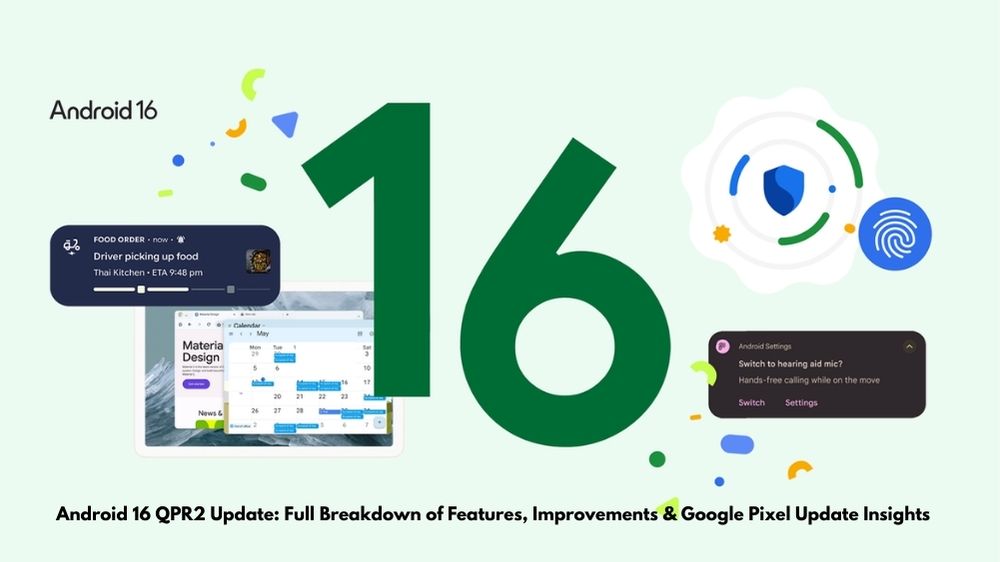
The arrival of the Android 16 QPR2 update marks one of the most important milestones in the Android ecosystem, especially for users who rely on Google Pixel devices for cutting-edge software innovations. With every quarterly release, Google aims to refine the Android experience—not only by fixing bugs and improving stability, but by introducing polished UI elements, performance boosts, security patches, and deeper AI-enhanced features. The Android 16 QPR2 build follows this tradition, offering an upgrade that blends system reliability with modern enhancements that elevate the smartphone experience across supported Pixel models.
As technology enthusiasts and Pixel users search for “android 16 qpr2 update”, “android 16 qpr2 features”, and “google pixel update details”, the excitement surrounding this release continues to grow. This comprehensive article takes a deep look into every aspect of the update—from performance improvements, UI refinements, and new customization tools, to system optimizations designed specifically for Google Pixel phones. Whether you’re curious about battery enhancements, camera tuning, stability fixes, or AI-driven upgrades, this detailed guide covers everything you need to know about Android 16 QPR2.
What Is the Android 16 QPR2 Update? Understanding QPR Releases in Google’s Ecosystem
Before digging into the specifics, it’s important to understand what QPR stands for. QPR means Quarterly Platform Release, a structured update that Google typically rolls out to Pixel users to improve overall system performance and fix issues reported by users and developers. Unlike major Android upgrades that introduce massive changes, QPR updates focus on refining the core experience, improving smoothness, adding subtle new features, and resolving stability issues.
The Android 16 QPR2 update is the second such release for Android 16 and builds on the foundation of QPR1, delivering enhancements tailored to real-world usage. These updates often include under-the-hood improvements that cannot be seen immediately but significantly impact performance, responsiveness, multitasking, thermal behavior, and battery efficiency. For users who constantly monitor Google Pixel update news, the QPR2 release often becomes one of the most anticipated upgrades of the quarter, especially because it introduces stability patches that make the OS more polished and reliable.
Android 16 QPR2 Update: Key Features, Enhancements & User Experience Changes
The Android 16 QPR2 update introduces several refinements across system UI, animations, connectivity performance, battery management, storage handling, and privacy protections. Each quarter, Google uses feedback from developers, public testers, and Pixel users to determine which changes need immediate attention. The second quarterly update of Android 16 focuses heavily on improving touch responsiveness, keyboard stability, camera performance, and overall device predictability during heavy usage.
Pixel users will notice smoother animations, reduced jitter during app switching, and more consistent frame rates when scrolling through content-heavy apps. In addition, the update includes modifications to power usage patterns that lower battery drain when the device is idle or performing background tasks.
Below is a deeper look at all major improvements included in the release:
1. Performance and Stability Improvements
One of the biggest goals of every QPR update is to enhance system stability. With the Android 16 QPR2 update, Google has significantly optimized the system scheduler and improved CPU load distribution. This means apps open slightly faster, background apps consume fewer resources, and multi-tasking becomes smoother.
Pixel users—especially those using older models—often benefit the most from stability-focused releases. The update also reduces random lags, unexpected UI freezes, and memory-related issues that were reported in previous builds. In real-world tests, animations appear more fluid, the lock screen responds faster, and system transitions feel more uniform across the entire OS.
2. Improved Battery Life & Adaptive Power Controls
Battery performance remains one of the biggest concerns for smartphone users, and Google continues to refine its adaptive power algorithms with every QPR release. Android 16 QPR2 introduces advanced battery-saving patterns that intelligently restrict background activity for rarely used apps. It also improves standby efficiency by optimizing how system services interact with hardware components while the device is idle.
Pixel users who frequently search for “Google Pixel update battery improvement” will likely appreciate the noticeable enhancement in battery endurance, especially during moderate to heavy usage. The update also reduces unnecessary wake-locks, allowing devices to remain in a low-power state for longer periods of time.
3. Enhanced Camera Processing & Imaging Stability
Google Pixel devices are known for their powerful camera systems backed by computational photography. The Android 16 QPR2 update includes subtle yet impactful improvements to image processing pipelines. Users may experience better low-light consistency, reduced shutter lag, improved focus accuracy, and enhanced color tuning in bright outdoor environments.
These refinements may not always appear as headline-grabbing features, but they significantly enhance overall photography performance. Additionally, videography receives smoother stabilization, especially during 60FPS and slow-motion recording. Photographers will appreciate the increased reliability of the camera app, especially when switching between modes.
4. UI Polish, Animation Refinements & Smoother System Navigation
Smooth system navigation is key to a premium smartphone experience, and one of the most noticeable upgrades in the Android 16 QPR2 release is improved animation timing. App transitions appear more refined, the home screen reacts faster to gestures, and scrolling feels more natural and consistent.
Google has also addressed minor UI inconsistencies reported by testers—such as misaligned icons, sudden frame drops during multi-step gestures, or UI elements overlapping during quick transitions. These improvements enhance the overall Pixel experience, especially for users who value crisp animations and polished UI behavior.
5. Connectivity and Network Performance Boosts
Stable connectivity is essential for modern smartphone usage, and the QPR2 update focuses on improving cellular stability, WiFi reliability, and Bluetooth connections. The update includes optimizations for handovers between network bands, resulting in fewer call drops and more stable internet speeds during movement.
Bluetooth improvements resolve compatibility issues with wireless headphones, speakers, and in-car audio systems. In addition, certain Pixel models receive modem firmware updates that enhance 5G signal retention and reduce battery drain during long 5G usage sessions.
Google Pixel Update: Device Compatibility & Rollout Timeline
Every major Google Pixel update follows a structured rollout process that begins with supported Pixel models receiving the OTA (over-the-air) package first. The Android 16 QPR2 update is expected to roll out across the following devices:
-
Pixel 6 Series
-
Pixel 6a
-
Pixel 7 Series
-
Pixel 7a
-
Pixel Fold
-
Pixel Tablet
-
Pixel 8 Series
-
Pixel 9 Series (depending on launch timeline)
As always, newer Pixel models are prioritized, but all eligible devices eventually receive the update within days. Users searching for “Google Pixel update not showing” or “how to install Android 16 QPR2 manually” often need to check their region settings or update channels to ensure they are enrolled in the correct OTA pathway.
Security Patches & Privacy Enhancements
Each QPR update also introduces critical security patches designed to protect user data, prevent malware exploits, and ensure that system-level vulnerabilities are addressed in a timely manner. The Android 16 QPR2 release includes multiple fixes for kernel-level issues, media processing vulnerabilities, memory leaks, and permission-related inconsistencies.
Google continues to prioritize privacy by strengthening controls through improved permission handling, clearer data access logs, and enhanced transparency around background activity for installed apps. These changes empower users to maintain greater control over how their data is used and stored.
Bug Fixes & User-Reported Issue Resolutions
One of the biggest advantages of any QPR update is the large list of bug fixes that directly address user complaints. Android 16 QPR2 resolves issues related to:
-
Random app crashes
-
Screen rotation lag
-
Keyboard overlay glitches
-
Lock screen reliability
-
Notifications not appearing in real time
-
Widgets failing to refresh
-
Accidental touch behavior while the phone is in a pocket
-
Bluetooth pairing interruptions
-
Camera app force closes
These fixes make the Google Pixel experience significantly more stable and refined, especially for users who experienced recurring problems after previous updates.
Conclusion: Android 16 QPR2 Brings the Polished, Stable & Enhanced Experience Pixel Users Expect
The Android 16 QPR2 update is more than just a routine upgrade—it is a polished and impactful improvement that strengthens every core aspect of the Android experience. From smoother animations and improved battery management to enhanced camera performance and critical bug fixes, the update addresses real-world needs with precision. For Google Pixel users, this QPR release enhances reliability, boosts system fluidity, and offers a more stable everyday smartphone experience.
As Google continues to refine Android throughout the year, the QPR2 update stands as a reminder that incremental improvements can significantly elevate usability and long-term performance. Whether you’re a tech enthusiast, pixel owner, or someone exploring the latest updates, Android 16 QPR2 brings meaningful enhancements that solidify Android’s position as a powerful and evolving operating system.